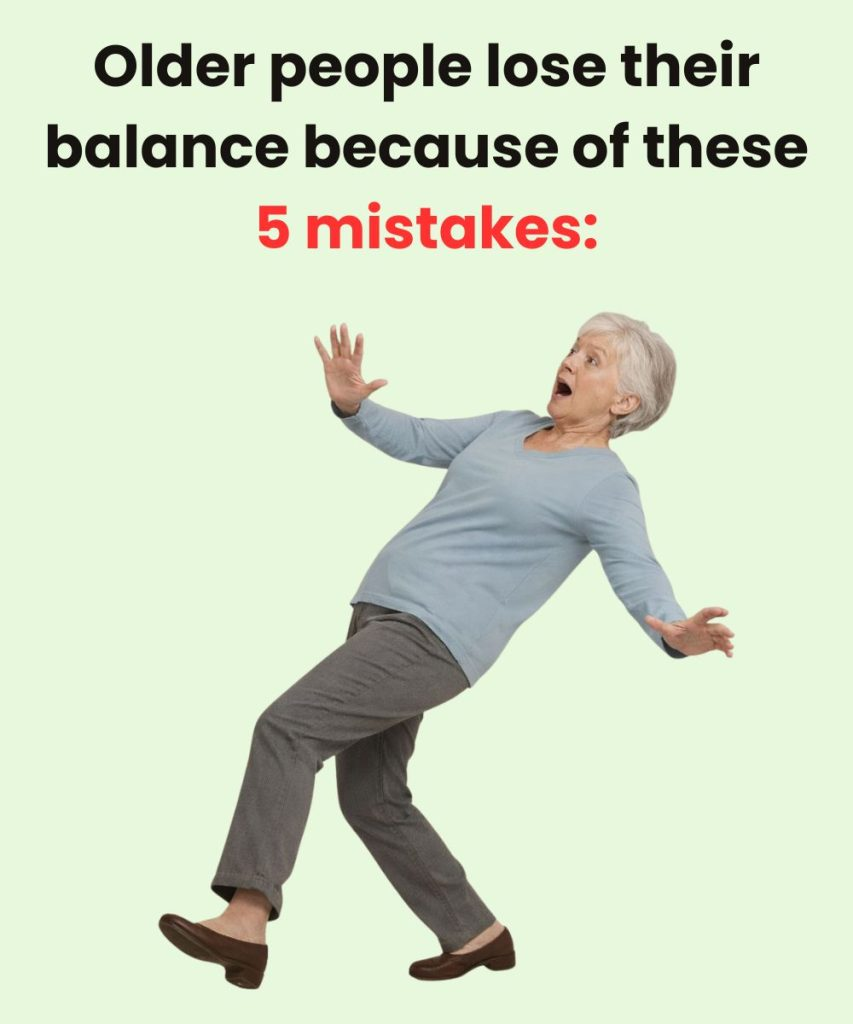
Many older adults notice subtle changes in balance long before a fall ever happens.
Maybe you feel less steady when getting out of bed.
Perhaps you hesitate before climbing stairs.
Or maybe you’ve started holding onto furniture while walking through the house.
Most people assume these changes are simply part of aging.
But that’s not always true.
In many cases, everyday habits can gradually weaken balance, coordination, and confidence without you even realizing it. The encouraging news is that small adjustments often make a significant difference.
Here are five common mistakes that may be affecting balance and what you can do about them.
1. Sitting Too Much and Moving Too Little
One of the biggest threats to balance isn’t age itself—it’s inactivity.
When muscles aren’t used regularly, they become weaker over time.
The muscles most important for balance include:
- Legs
- Hips
- Core
- Lower back
As these muscles weaken, everyday activities such as standing, walking, and climbing stairs can become more challenging.
What Helps?
Simple movement can go a long way.
Try:
- Walking 20–30 minutes each day
- Gentle stretching in the morning
- Chair exercises
- Tai chi
- Beginner yoga
You don’t need intense workouts. Consistency matters more than intensity.
Even a few extra minutes of movement each day can improve strength and coordination.
2. Wearing the Wrong Shoes
Many people don’t realize how much footwear affects balance.
Unsupportive shoes can increase the risk of slips, trips, and falls.
Common problems include:
- Worn-out soles
- Slippery bottoms
- Loose-fitting shoes
- Backless slippers
- High heels
Better Choices
Look for shoes that provide:
✔ Good arch support
✔ Non-slip soles
✔ A secure fit
✔ Stable heels
✔ Comfortable cushioning
Proper footwear creates a stronger connection between your feet and the ground, helping you feel more confident with every step.
3. Not Drinking Enough Water
Dehydration is surprisingly common among older adults.
As we age, the sensation of thirst often becomes less noticeable.
Even mild dehydration may contribute to:
- Dizziness
- Fatigue
- Weakness
- Reduced concentration
All of these factors can affect balance.
Simple Hydration Tips
- Drink water regularly throughout the day
- Keep a water bottle nearby
- Eat water-rich fruits and vegetables
- Increase fluids during hot weather
Small improvements in hydration can sometimes lead to noticeable improvements in energy and stability.
4. Ignoring Nutrition
Balance isn’t just about muscles.
The body needs proper fuel to function well.
Poor nutrition may contribute to:
- Muscle weakness
- Low energy
- Reduced physical performance
- Slower recovery
Focus on Nutrient-Rich Foods
Include more:
- Fruits
- Vegetables
- Lean protein
- Whole grains
- Healthy fats
Protein is especially important because it helps maintain muscle strength, which plays a major role in balance and mobility.
5. Overlooking Vision and Hearing Changes
Your brain relies heavily on information from your eyes and ears to maintain balance.
When vision or hearing begins to decline, movement can become less certain.
This may increase the risk of:
- Misjudging distances
- Missing obstacles
- Feeling unsteady
- Losing confidence while walking
Don’t Skip Regular Checkups
Schedule:
- Eye examinations
- Hearing evaluations
- Prescription updates when needed
Many people notice significant improvements in confidence and mobility after addressing vision or hearing issues.
Hidden Hazards Around the Home
Even if your balance is good, your environment matters.
Many falls happen inside the home.
Common risks include:
- Loose rugs
- Electrical cords
- Cluttered walkways
- Poor lighting
- Slippery bathroom floors
Easy Safety Upgrades
- Improve lighting throughout the home
- Remove tripping hazards
- Install grab bars in bathrooms
- Use non-slip mats
- Keep pathways clear
Often, simple home changes provide immediate benefits.
A Daily Balance Checklist
Ask yourself:
☐ Did I move my body today?
☐ Did I drink enough water?
☐ Did I eat nutritious meals?
☐ Are my shoes supportive?
☐ Have I had my vision and hearing checked recently?
Small habits repeated daily often create the biggest long-term improvements.
When to Talk to a Healthcare Professional
Occasional unsteadiness can happen to anyone.
However, recurring balance problems should not be ignored.
Seek medical advice if you experience:
- Frequent dizziness
- Repeated falls
- Sudden changes in balance
- Difficulty walking
- New weakness
Sometimes balance issues may be related to medications, inner ear conditions, or other medical concerns that deserve attention.
Final Thoughts
Balance isn’t something we usually think about—until it begins to change.
The good news is that many factors influencing balance are within your control.
Regular movement, proper footwear, good nutrition, hydration, a safer home environment, and healthy vision and hearing can all contribute to greater stability and confidence.
The goal isn’t perfection.
It’s making small daily choices that help you stay active, independent, and steady on your feet for years to come.
Because every confident step begins with habits that support your body from the ground up.

