Vag*nal dryness is a painful and common symptom. Some of its causes include a decrease in hormone levels, breastfeeding or certain medications. It’s commonly linked to menopause. Over-the-counter and prescription therapies can help increase moisture and relieve pain.
What Is Vag*nal Dryness?
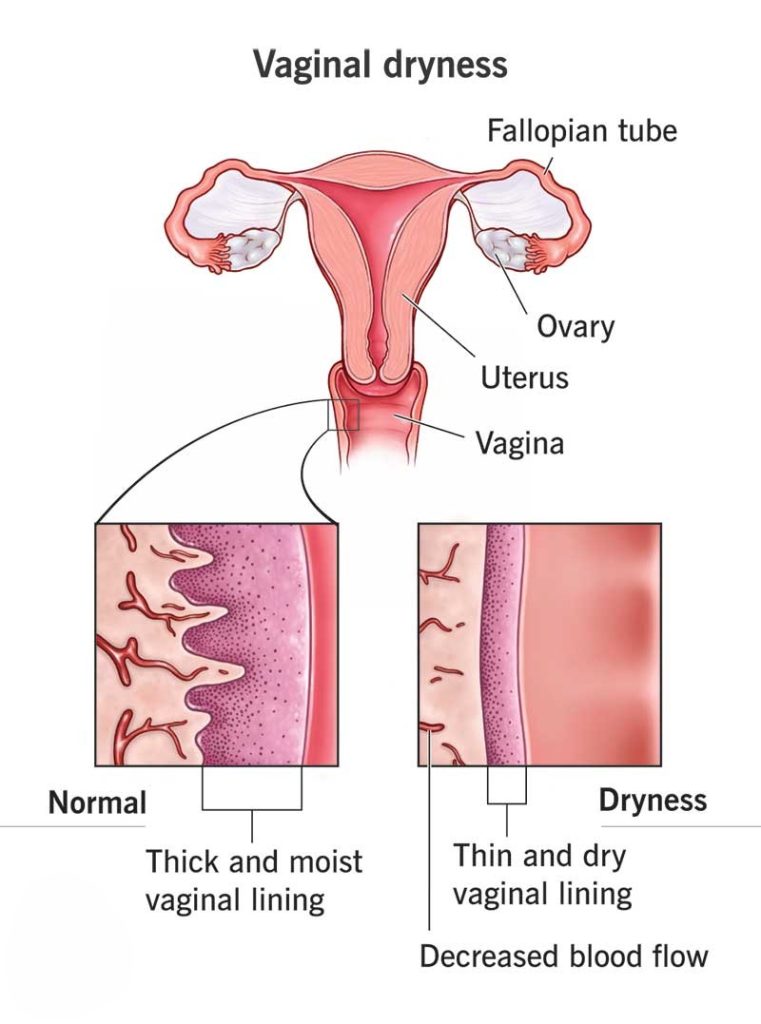
Vag*nal dryness happens when the tissues in your Vag*nal are dry, thin and not well-moisturized. This leads to discomfort, especially during sex. It can cause pain while sitting, exercising and peeing, too.
Vag*nal dryness can occur at any age. More than 15% of females have it before menopause. Over half experience Vag*nal dryness after menopause.
It’s most common during this period of life because your estrogen levels decline. Estrogen helps keep your Vag*nal lining moisturized and healthy. Low levels of this hormone cause your Vag*nal walls to become thin and dry. This is a common condition of menopause called Vag*nal atrophy.
You don’t have to live in discomfort. Many safe and effective treatments are available for Vag*nal dryness. Ask your healthcare provider for guidance. They want to help you feel your best.
What does a dry Vag*nal feel like?
Vag*nal dryness causes discomfort and pain in your Vag*nal , especially during sex. It may also cause:
- Burning and itching
- Bleeding after sex due to your Vag*nal wall tissues breaking open
- Soreness in your vulva (genitals)
- Frequent urinary tract infections (UTIs) or yeast infections
- Needing to pee more often
Less moisture in your Vag*nal leads to less moisture in your vulva. So, you may feel dryness or irritation when putting on your underwear or during activities like walking or sitting.
Possible Causes
What are the most common causes of this symptom?
In many cases, Vag*nal dryness happens when estrogen levels decrease. This occurs naturally as you age or during menopause. Other things that can lower estrogen levels include:
- Anti-estrogen medications for uterine fibroids or endometriosis
- Breastfeeding
- Birth control pills or any form of hormonal birth control
- Cancer treatments, like chemotherapy and hormone therapy
- Certain antidepressants
- Removal of your ovaries
- Smoking
Other conditions or situations that may cause Vag*nal dryness or increase your risk of it include:
- Diabetes
- Lichen planus that affects your vulva or Vag*nal
- Lupus
- Sjogren’s syndrome
- Consuming alcohol
- Stress
- Not being sexually aroused
- Using scented or perfumed soaps, sprays and washes around or in your Vag*nal
Care and Treatment
How is this symptom treated?
Many treatments can help Vag*nal dryness and the painful sex associated with it. If you just have Vag*nal dryness, you may want to first try over-the-counter (OTC) moisturizers and lubricants:
- Vag*nal moisturizers: Apply moisturizers to the inside of your Vag*nal every few days to keep your Vag*nallining healthy. Some examples include Replens™, Luvena® and KY® Liquibeads.
- Vag*nal lubricants: Apply lubricants just before sex. Healthcare providers mainly recommend water-based Vag*nallubricants. But there are also silicone-based products.
Don’t use products that aren’t meant for your Vag*nal(like face and body lotion).
If you have Vag*nal dryness with other menopause symptoms, medical treatments may be a better option. Most of these treatments work by either replacing or acting like estrogen in your body. They’re prescription-only. Medical treatments include:
- Low-dose estrogen creams, rings or tablets: You apply creams and tablets directly into your Vag*nal . You typically use them daily until you find relief, then weekly as needed. You put a ring into your Vag*nal for up to three months, then replace it.
- Ospemifene: This medication is a selective estrogen receptor modulator (SERM). You take it by mouth. It treats painful sex associated with Vag*nal atrophy.
- Dehydroepiandrosterone (DHEA): This is another medication that acts like estrogen. It’s a Vag*nal suppository that helps with painful sex when you’re in menopause.
- Laser therapy (MonaLisa Touch®): This therapy helps the tissues in your Vag*nal regenerate, helping it to become moist again.
Talk to your healthcare provider about the risks and benefits of these treatments.
What are the possible complications or risks of not treating it?
Vag*nal dryness isn’t dangerous. But it can greatly affect your quality of life. Without treatment, it can lead to:
- Daily discomfort
- Painful sex
- Relationship stress
- Depression or anxiety
Can this symptom be prevented?
It’s not always possible to prevent Vag*nal dryness. But you can take certain actions to help improve it, like:
- Avoiding scented products and douching
- Using gentle soaps around your vulva
- Wearing cotton underwear
- Drinking water to stay hydrated
- Having regular sexual stimulation to encourage your Vag*nal tissues to become moist
- Trying a longer period of foreplay before sex to help with arousal
When To Call the Doctor
When should this symptom be treated by a healthcare provider?
You may feel embarrassed to talk to your healthcare provider about Vag*nal dryness. But many treatments can provide relief. Contact your provider if Vag*nal dryness:
- Affects your daily activities
- Affects your sex life or relationship with your partner(s)
- Doesn’t get better with over-the-counter treatments
- Happens alongside severe Vag*nal bleeding
A note from Cleveland Clinic
Vag*nal dryness is a common symptom you’ll likely face at some point in your life. You may find it difficult to talk about sexual problems. But healthcare providers are a good resource to help you have a healthy and comfortable sex life. Many treatments can bring relief. It’s OK to ask for help.

