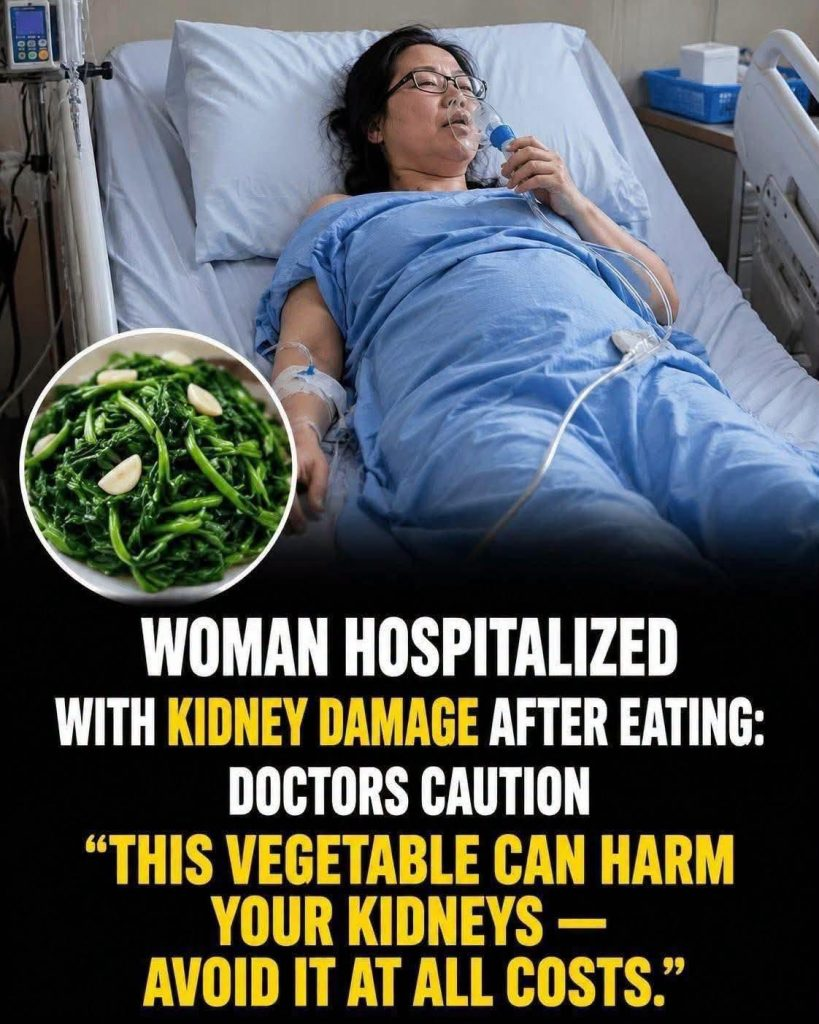
Growing up, and even as adults, we’ve been constantly reminded that eating our greens would add to our healthy lifestyle.
For one, vegetables are considered essentials in our diet and are packed with a bunch of vital nutrients, fiber, and antioxidants. As such, they support everything from our cardiovascular system to our immune defence.
Recently, however, a case of a middle-aged woman who suffered acute kidney complications and severe gastrointestinal distress hours after a home-cooked vegetable meal raised a question most of us overlook: food safety with fresh produce.
While severe incidents of this type are relatively rare, health professionals do point out that improper handling, poor storage, or possible contamination of our greens could possibly turn what we believe is a nutritious meal to something potentially harmful to our health.
The question is: How can fresh vegetable potentially turn risky?
Since most vegetables are cultivated in open environments, they can easily become vulnerable to external influences before they can even hit the counter. There are several interrelated factors that may affect their safety:
Microbial pathogens: Soil, agricultural run-off, and irrigation water can contaminate the surfaces of leafy greens and root vegetables with tough pathogens like E. coli, Salmonella, or Listeria. According to the CDC Food Safety Overview, it is this foodborne bacteria that are responsible for a major share of preventable gastrointestinal hospitalizations that happen every year.
Failure to manage temperature: When perishable leafy greens are stored at room temperature, it creates an ideal environment for spoilage bacteria to multiply at a high speed.
Chemical decomposition during storage: If we either store or cook our leafy greens improperly, they can undergo chemical changes that turn harmless nitrates into harmful nitrites.
Natural toxins and chemical residues: When they are physical damaged or sprouting, plants can increase their natural toxins (like solanine in nightshades), while inadequate washing leaves behind traces of agricultural chemicals.
If food safety thresholds are crossed, symptoms can appear rapidly. Doctors advise watching closely for serious or unusual reactions after a meal. According to the Mayo Clinic Acute Kidney Injury Portal, you should seek urgent medical attention if you experience constant vomiting, extreme weakness, high fever, or noticeable changes in your urine output.
Best practices for vegetable safety
You don’t need to stop eating vegetables; you just need to handle them right.
Rigorous cleaning measures are never optional: Wash them under running water right before you prep them. For things with tough skin, like potatoes or melons, give them a good scrub with a clean brush. Never use dish soap or commercial cleaners on produce. Plants are porous, meaning they will actually absorb those chemicals, FDA warns about this for a reason.
Maintain proper food temperatures: Promptly refrigerate all perishables below 40° F, and throw out any food that looks slimy, moldy, or abnormally discolored.
Watch out for cross-contamination. Keep raw meat completely separate from your produce, use dedicated cutting boards, and always wash your hands with warm, soapy water for at least 20 seconds.
Handle cooked leafy greens properly: Do not store cooked leafy greens for extended periods or reheat them multiple times.
Ultimately, there is no reason for rare incidents to detract from the enormous nutritional advantages of a diet rich in plants. We just need to approach our fruits and vegetables in the same hygienic manner that we approach proteins.

