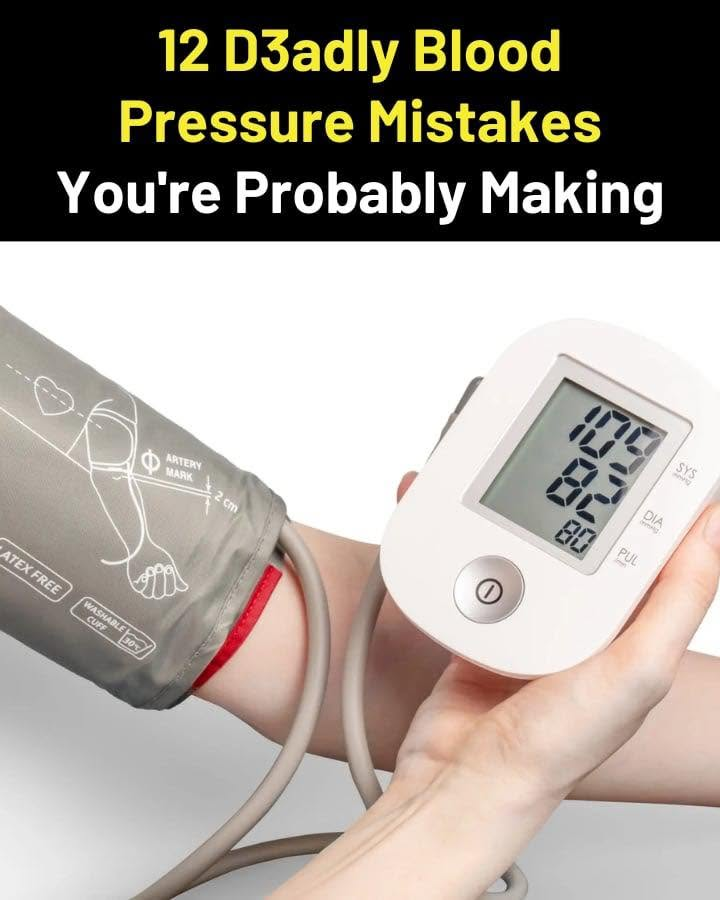
Millions of people check their blood pressure at home every day.
But what if the numbers you’re seeing aren’t actually correct?
A reading that’s too high could cause unnecessary worry. A reading that’s too low might create a false sense of security. In some cases, inaccurate measurements can even contribute to incorrect treatment decisions.
The surprising truth is that many people make simple mistakes that can significantly affect their blood pressure results—sometimes by 10, 15, or even more points.
Here are 12 of the most common blood pressure measurement mistakes and how to avoid them.
Why Accuracy Matters
Blood pressure is one of the most important indicators of cardiovascular health.
Doctors use these numbers to assess:
- Heart health
- Stroke risk
- Circulation
- Treatment effectiveness
- Overall cardiovascular wellness
Even small errors can make a meaningful difference when readings are being used to guide healthcare decisions.
1. Not Resting Before the Test
Many people sit down and immediately start the measurement.
This can cause readings to appear higher than they really are.
What to Do Instead
Sit quietly for at least five minutes before taking a reading.
Avoid:
- Walking around
- Exercising
- Using your phone
- Stressful conversations
A few minutes of relaxation can make a significant difference.
2. Talking During Measurement
Even a brief conversation can influence results.
Talking activates muscles and increases cardiovascular activity, which may raise readings.
What to Do Instead
Remain completely silent until the measurement is finished.
3. Measuring Only One Arm
Blood pressure can differ slightly between arms.
What to Do Instead
When starting home monitoring:
- Measure both arms
- Compare the results
- Use the arm with the higher reading for future checks
If the difference consistently exceeds 10 mmHg, discuss it with your healthcare provider.
4. Crossing Your Legs
This common habit can affect circulation and temporarily influence blood pressure readings.
What to Do Instead
Sit comfortably with:
- Feet flat on the floor
- Legs uncrossed
- Knees relaxed
5. Incorrect Arm Position
Arm position is one of the most overlooked factors.
If your arm hangs too low, readings may appear higher.
If your arm is elevated too much, readings may appear lower.
What to Do Instead
Keep your arm supported at approximately heart level.
A pillow or armrest can help maintain the correct position.
6. Sitting Without Back Support
Many people measure blood pressure while sitting on the edge of a chair or couch.
This can create muscle tension that affects results.
What to Do Instead
Sit in a chair that fully supports your back.
Relax your shoulders and avoid leaning forward.
7. Using the Wrong Cuff Size
Not all blood pressure cuffs fit every arm.
A cuff that’s too small may produce falsely elevated readings.
A cuff that’s too large may underestimate blood pressure.
What to Do Instead
Check that the cuff matches your arm circumference.
Most quality monitors provide sizing information.
8. Drinking Coffee Too Soon Before Testing
Coffee, tea, energy drinks, and some sodas contain caffeine, which may temporarily affect blood pressure.
What to Do Instead
Avoid caffeine for at least 30 minutes before measuring.
This simple step helps improve consistency.
9. Measuring with a Full Bladder
This may sound surprising, but a full bladder can influence blood pressure readings.
What to Do Instead
Use the restroom before taking your measurement.
10. Letting Anxiety Affect Results
Some people experience nervousness whenever blood pressure is measured.
This is often called “white coat hypertension” when it occurs in medical settings.
What to Do Instead
Take readings at home as well as in the clinic.
Home monitoring often provides a more complete picture of your usual blood pressure.
11. Taking Readings Too Inconsistently
One isolated reading rarely tells the whole story.
Blood pressure naturally fluctuates throughout the day.
What to Do Instead
Take measurements consistently.
Many healthcare professionals recommend:
- Morning readings
- Evening readings
- Recording results over several days
Patterns are often more useful than individual numbers.
12. Using Inaccurate Equipment
Even perfect technique won’t help if the monitor itself isn’t accurate.
What to Do Instead
Choose a validated upper-arm monitor from a reputable manufacturer.
Replace worn cuffs and check accuracy periodically according to manufacturer recommendations.
Additional Tips for Better Readings
For the most reliable results:
✔ Measure at the same times each day
✔ Avoid exercise for at least 30 minutes beforehand
✔ Avoid smoking before testing
✔ Remove thick clothing from the arm
✔ Take two readings and average them
✔ Keep a written record or use a tracking app
Understanding Blood Pressure Numbers
In general:
Normal Blood Pressure
Less than 120/80 mmHg
Elevated Blood Pressure
Higher readings may require monitoring and discussion with a healthcare provider.
Blood pressure targets can vary based on age, medical history, and local medical guidelines.
Always follow your healthcare provider’s recommendations.
A Simple Blood Pressure Checklist
Before measuring, ask yourself:
☐ Have I rested for five minutes?
☐ Have I avoided caffeine recently?
☐ Is my bladder empty?
☐ Are my feet flat on the floor?
☐ Is my back supported?
☐ Is my arm at heart level?
☐ Am I remaining silent?
Checking these boxes takes less than a minute and can dramatically improve accuracy.
Final Thoughts
Monitoring blood pressure at home is one of the best ways to stay informed about your cardiovascular health.
However, accurate readings depend on more than simply pressing a button.
Small details—such as arm position, caffeine intake, posture, and even talking—can affect the numbers you see.
By avoiding these common mistakes, you’ll gain a clearer picture of your true blood pressure and make more informed decisions about your health.
Sometimes the difference between an accurate reading and a misleading one comes down to a few simple habits.

