When people think about foods that support healthy aging, berries often come to mind.
Blueberries usually get most of the attention.
Strawberries are a household favorite.
But there is another berry that many people have never heard of—despite its impressive nutritional profile.
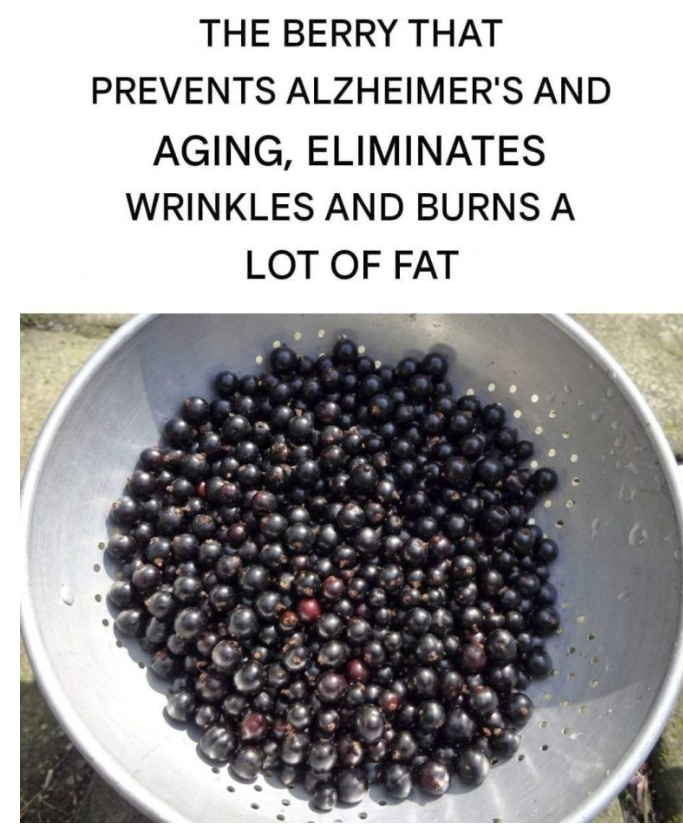
It’s called the blackcurrant.
Native to Europe and parts of Asia, this small dark berry has been used for generations in jams, teas, juices, and traditional remedies. Today, researchers continue to study its potential health benefits, particularly for older adults looking to support their heart, brain, joints, skin, and overall well-being.
So what makes blackcurrants so special?
Packed With Antioxidants
One reason blackcurrants have attracted scientific interest is their exceptionally high antioxidant content.
Antioxidants help protect cells from damage caused by free radicals—unstable molecules that can contribute to aging and certain chronic diseases over time.
Blackcurrants are particularly rich in compounds called anthocyanins, the same pigments responsible for their deep purple-black color.
These natural compounds have been studied for their potential role in supporting cardiovascular health, brain function, and healthy aging.
May Support Heart Health
Heart disease remains one of the leading health concerns among older adults.
Blackcurrants contain antioxidants as well as beneficial fatty acids found in blackcurrant seed oil.
Some studies suggest these compounds may help support healthy circulation and reduce inflammation, two important factors in maintaining cardiovascular health.
While blackcurrants are not a substitute for medical treatment, they can be a nutritious addition to a heart-conscious diet.
Helps Keep Skin Healthy
As we age, our skin naturally loses moisture, elasticity, and firmness.
Blackcurrants contain vitamin C, which the body uses to produce collagen—a protein that helps keep skin firm and resilient.
Blackcurrant seed oil also contains omega-6 fatty acids, which play an important role in maintaining the skin’s protective barrier and reducing dryness.
Many people use blackcurrant oil supplements or skincare products as part of their beauty and wellness routine.
Supports Eye Health
Vision changes become more common with age.
Researchers have shown growing interest in anthocyanins because of their potential role in supporting eye health.
Some evidence suggests these antioxidants may help protect retinal cells from oxidative stress and support healthy blood flow to the eyes.
Although more research is needed, many nutrition experts consider antioxidant-rich berries an important part of a vision-friendly diet.
May Benefit Brain Function
Maintaining cognitive health is a major concern for many seniors.
Blackcurrants contain compounds that may help reduce oxidative stress and inflammation within the brain.
Some early studies suggest that anthocyanins could support memory, focus, and overall cognitive function.
Scientists continue investigating whether diets rich in berries and antioxidants may contribute to healthier brain aging.
Could Help Ease Joint Discomfort
Joint stiffness and discomfort become increasingly common as people grow older.
The omega-3 and omega-6 fatty acids found in blackcurrant seed oil possess anti-inflammatory properties that researchers have studied for their potential role in reducing symptoms associated with conditions such as rheumatoid arthritis.
While blackcurrants are not a cure, some individuals report improvements when they include anti-inflammatory foods as part of a balanced lifestyle.
May Support Healthy Hair
Healthy hair depends on healthy circulation and proper nutrition.
Chronic inflammation and poor nutrient delivery to hair follicles may contribute to thinning hair over time.
Because blackcurrants contain antioxidants, vitamins, and beneficial fatty acids, they are sometimes included in supplements marketed to support scalp and hair health.
Can Blackcurrants Help With Weight Management?
Some preliminary research suggests blackcurrants may support metabolism and help regulate appetite.
Their fiber content can also help people feel fuller for longer.
However, experts emphasize that no single food causes weight loss on its own.
A balanced diet and regular physical activity remain the foundation of healthy weight management.
What About Cancer Prevention?
Laboratory studies have shown that compounds found in blackcurrants may have antioxidant and anti-inflammatory effects that help protect cells from damage.
However, it is important to understand that blackcurrants do not prevent, treat, or cure cancer.
Researchers continue studying how berry compounds interact with human cells, but much more evidence is needed before any firm conclusions can be made.
Easy Ways to Enjoy Blackcurrants
If you would like to add blackcurrants to your diet, consider:
- Fresh blackcurrants when available
- Frozen blackcurrants in smoothies
- Blackcurrant tea
- Blackcurrant jam in moderation
- Blackcurrant juice with no added sugar
- Blackcurrant seed oil supplements (after discussing with your healthcare provider)
A Small Berry With Big Potential
Blackcurrants may not receive as much attention as some other fruits, but their impressive combination of antioxidants, vitamins, and healthy fatty acids makes them a fascinating food for healthy aging.
While they are not a miracle cure, they can be a nutritious addition to a balanced diet that supports heart health, brain function, skin health, and overall wellness.
Sometimes the most powerful foods come in the smallest packages.
And blackcurrants are a perfect example.

