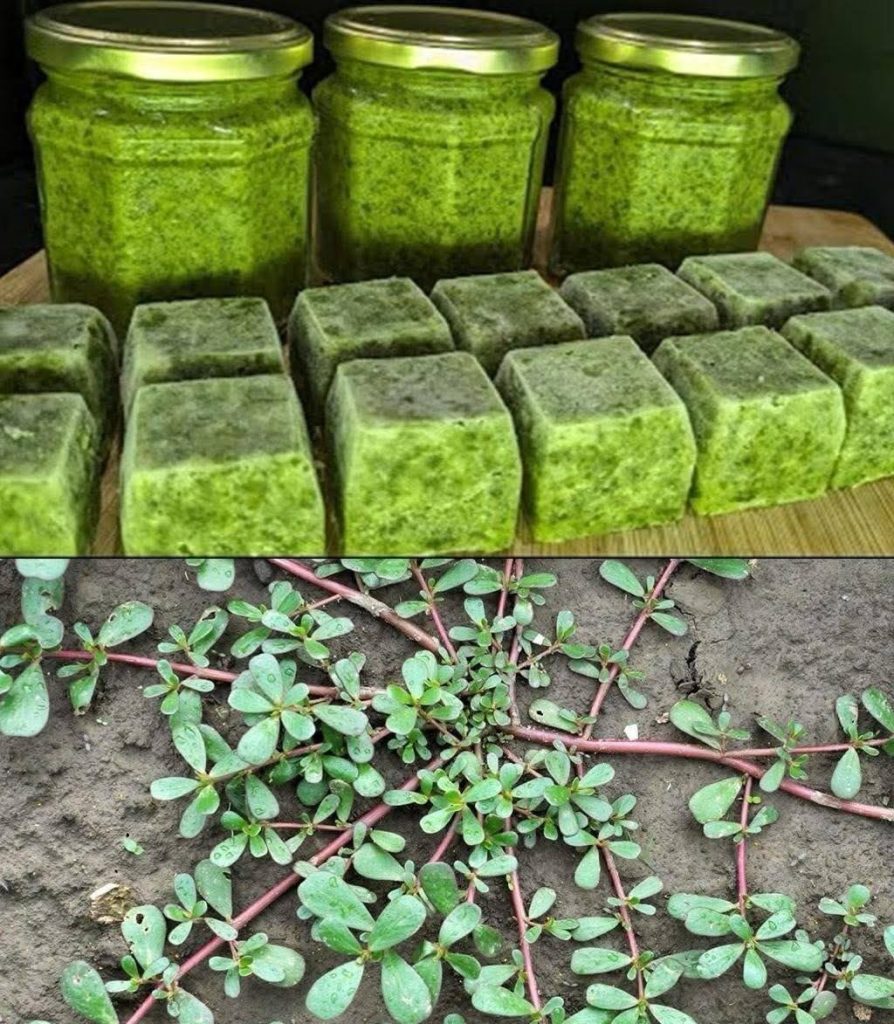
Most people pull it out of their gardens without a second thought.
It grows between paving stones, appears in vegetable patches, and is often dismissed as nothing more than a stubborn weed. Yet this humble plant has been treasured for centuries in Mediterranean, Middle Eastern, and Asian cultures for its remarkable nutritional value.
Its name is purslane, and modern science is now confirming what traditional healers have known for generations: this overlooked leafy green may offer impressive health benefits, especially for adults over 60.
Packed with omega-3 fatty acids, antioxidants, vitamins, and minerals, purslane could be one of nature’s most underrated superfoods.
A Rare Plant Source of Omega-3 Fatty Acids
One of the most surprising things about purslane is its omega-3 content.
While omega-3 fatty acids are usually associated with fish such as salmon, sardines, and mackerel, purslane is considered the richest known plant source of alpha-linolenic acid (ALA), an essential omega-3 fat.
As we age, maintaining healthy omega-3 levels becomes increasingly important. These healthy fats help support:
- Brain function and memory
- Heart health
- Healthy cholesterol levels
- Joint comfort and mobility
- Reduced inflammation throughout the body
Even more remarkable, researchers have detected trace amounts of EPA in purslane—a type of omega-3 commonly found in fish and rarely present in plants.
For adults over 60, adding omega-3-rich foods to the diet may be a simple way to support long-term wellness.
Supports a Healthy Heart and Circulation
Heart health becomes a growing concern with age, and purslane offers several nutrients that may help support the cardiovascular system.
The plant contains:
- Potassium
- Magnesium
- Natural nitrates
These compounds help relax blood vessels and promote healthy blood pressure levels.
Purslane is also rich in powerful antioxidants, including betalains and glutathione, which help combat oxidative stress that can damage blood vessels over time.
By helping protect the cardiovascular system, regular consumption of nutrient-dense foods like purslane may contribute to healthier aging.
May Help Support Healthy Blood Sugar Levels
Maintaining stable blood sugar becomes increasingly important as we grow older.
Purslane contains soluble fiber and bioactive compounds that researchers believe may help improve insulin sensitivity.
Several studies have suggested that purslane extracts may help lower fasting blood glucose levels and support metabolic health.
Because it is naturally low in calories and carbohydrates, it can be a nutritious addition to meals without causing the rapid blood sugar spikes often associated with highly processed foods.
For individuals managing prediabetes or type 2 diabetes, it may be a valuable food to discuss with a healthcare professional.
A Natural Ally for Eye and Brain Health
Healthy vision and cognitive function are two of the biggest priorities for many adults after 60.
Purslane contains an impressive combination of nutrients that support both.
Vitamin A
Purslane is rich in beta-carotene, which the body converts into vitamin A. This nutrient is essential for maintaining healthy eyesight and supporting the retina.
Lutein and Zeaxanthin
These two antioxidants help protect the eyes from harmful blue light exposure and may reduce the risk of age-related macular degeneration.
Natural Melatonin
One of purslane’s most surprising features is that it naturally contains melatonin.
Melatonin is best known as the hormone that regulates sleep, but researchers also believe it may help protect brain cells from oxidative stress and support healthy cognitive aging.
Just 100 grams of fresh purslane can provide a significant portion of your daily vitamin A requirements, making it a valuable addition to a nutrient-rich diet.
Supports Digestion and Natural Detoxification
Traditional Mediterranean and Ayurvedic medicine have long used purslane to support digestion and reduce internal heat and inflammation.
The plant contains a natural mucilaginous texture—a soothing gel-like substance that may help calm the digestive tract.
Many people find it gentle on the stomach and beneficial for:
- Digestive comfort
- Regular bowel movements
- Gut health support
- Reducing mild digestive irritation
Purslane also has a mild natural diuretic effect, which may help the body eliminate excess fluid without significantly depleting potassium levels.
Easy Ways to Enjoy Purslane Every Day
One reason purslane has remained popular throughout history is its versatility.
Its flavor is often described as a refreshing combination of spinach, cucumber, and lemon.
Add It to Salads
Fresh purslane leaves provide a pleasant crunch and pair well with tomatoes, cucumbers, and olive oil.
Sauté It with Garlic
Light cooking softens the stems and leaves while preserving much of the plant’s nutritional value.
Stir It into Soups
Purslane can add texture and nutrients to vegetable soups and stews.
Mix It with Eggs
Many traditional recipes combine purslane with scrambled eggs or omelets.
Blend It into Smoothies
A handful of fresh purslane can easily be added to green smoothies without overpowering the flavor.
For the best taste and nutrition, choose young, tender leaves and stems whenever possible.
Important Precautions Before Eating Purslane Daily
While purslane offers many potential benefits, it may not be suitable for everyone.
People Prone to Kidney Stones
Purslane contains relatively high levels of oxalates, which may contribute to calcium-oxalate kidney stones in susceptible individuals.
If you have a history of kidney stones, consult your healthcare provider before consuming large amounts regularly.
Medication Considerations
Because purslane may influence blood sugar and blood pressure, individuals taking medications for diabetes or hypertension should monitor their levels carefully and discuss dietary changes with their doctor.
Choose Safe Sources
Only consume purslane from trusted sources, home gardens, or reputable markets.
Avoid harvesting plants growing near roadsides, industrial areas, or locations that may be contaminated by pesticides or pollutants.
Final Thoughts
Sometimes the most valuable foods are the ones hiding in plain sight.
Purslane may look like an ordinary weed, but its impressive combination of omega-3 fatty acids, antioxidants, vitamins, minerals, and traditional medicinal uses makes it one of nature’s most fascinating plants.
For adults over 60, adding a small serving of purslane to the diet may be a simple and delicious way to support heart health, brain function, healthy vision, digestion, and overall well-being.
As an old Mediterranean saying suggests:
“The best medicine often grows where few people think to look.”
Perhaps it’s time to take a closer look at this remarkable little plant.

