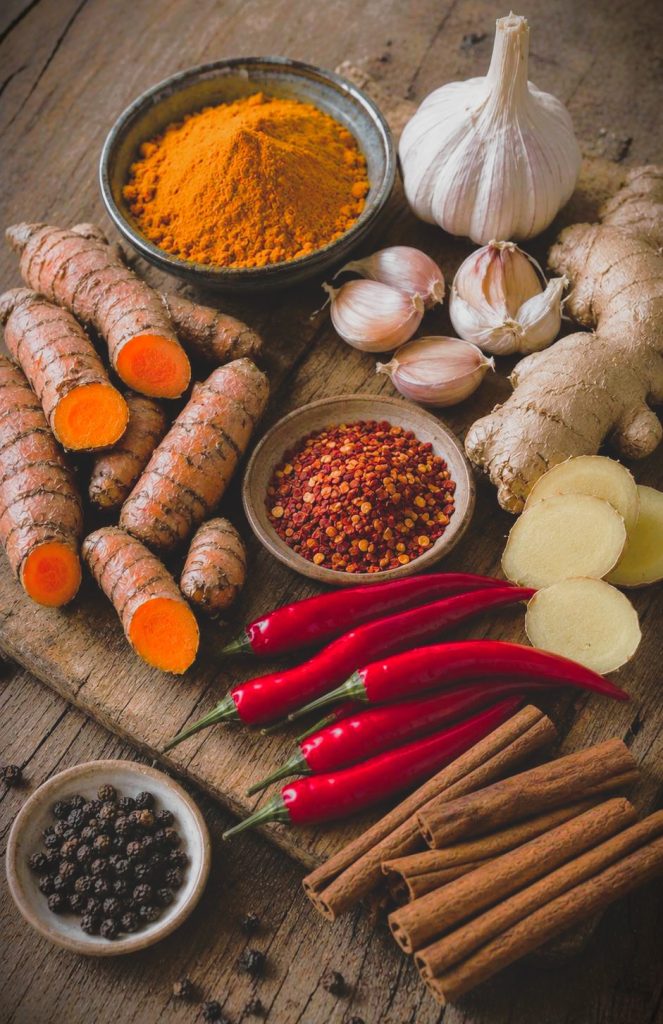
Good circulation plays a crucial role in overall health. When blood flows efficiently through the body, oxygen and nutrients can reach organs, muscles, and tissues more effectively. Poor circulation, on the other hand, may contribute to fatigue, cold extremities, and increased cardiovascular risks.
While some people require prescription medications to manage certain health conditions, several natural foods contain compounds that may help support healthy blood flow and cardiovascular function when included as part of a balanced diet.
Here are five of the most popular foods often associated with healthy circulation.
1. Turmeric: Nature’s Golden Spice
For centuries, turmeric has been a staple of traditional wellness practices and culinary traditions around the world.
Its bright yellow color comes from curcumin, a natural compound studied for its anti-inflammatory and antioxidant properties. Some research suggests that curcumin may help support healthy blood vessel function and circulation.
Turmeric can easily be added to soups, rice dishes, curries, or warm beverages. Many people also enjoy starting their day with turmeric tea or golden milk.
If you are currently taking prescription blood-thinning medication, speak with your healthcare provider before significantly increasing turmeric intake.
2. Garlic: A Heart-Healthy Kitchen Essential
Garlic has earned a reputation as one of the most beneficial foods for cardiovascular health.
Studies have suggested that garlic may help support healthy blood pressure levels and contribute to overall heart function. It contains sulfur compounds that are believed to help relax blood vessels and promote healthy circulation.
The best part is how easy it is to include in everyday meals.
Add fresh garlic to salad dressings, roasted vegetables, soups, pasta dishes, or stir-fries for both flavor and potential health benefits.
3. Cayenne Pepper: A Spicy Circulation Booster
If you enjoy a little heat in your meals, cayenne pepper may offer more than just flavor.
This fiery spice contains capsaicin, a compound that has been studied for its potential effects on circulation and blood vessel health. Some experts believe it may help support healthy blood flow throughout the body.
A small sprinkle can add a flavorful kick to soups, eggs, vegetables, marinades, and sauces.
As with any spice, moderation is key.
4. Ginger: The Ancient Root With Modern Benefits
Ginger has been valued for thousands of years in traditional medicine and remains one of the world’s most widely used natural remedies.
While many people know ginger for helping soothe digestive discomfort, it may also support healthy circulation. Certain compounds found in ginger are believed to influence platelet activity and contribute to cardiovascular wellness.
Fresh ginger can be grated into meals, blended into smoothies, or brewed into a soothing tea.
Its versatility makes it one of the easiest circulation-supporting foods to incorporate into your daily routine.
5. Cinnamon: A Sweet and Aromatic Favorite
Cinnamon is more than just a delicious addition to desserts and coffee.
Certain varieties of cinnamon contain naturally occurring compounds that have been studied for their effects on blood flow and circulation. However, moderation is important, especially with Cassia cinnamon, which contains higher levels of coumarin.
A small amount sprinkled over oatmeal, yogurt, fruit, or baked goods can provide flavor while complementing a heart-conscious diet.
A Simple Approach to Better Circulation
No single food can replace medical treatment or guarantee perfect cardiovascular health. However, building a diet rich in herbs, spices, fruits, vegetables, and whole foods may help support healthy circulation over time.
Small daily habits often make the biggest difference.
Adding ingredients like turmeric, garlic, cayenne pepper, ginger, and cinnamon to your meals is a simple and natural way to support your overall wellness while enjoying delicious flavors.
As always, if you have a medical condition or take prescription medications, consult your healthcare provider before making significant dietary changes.

