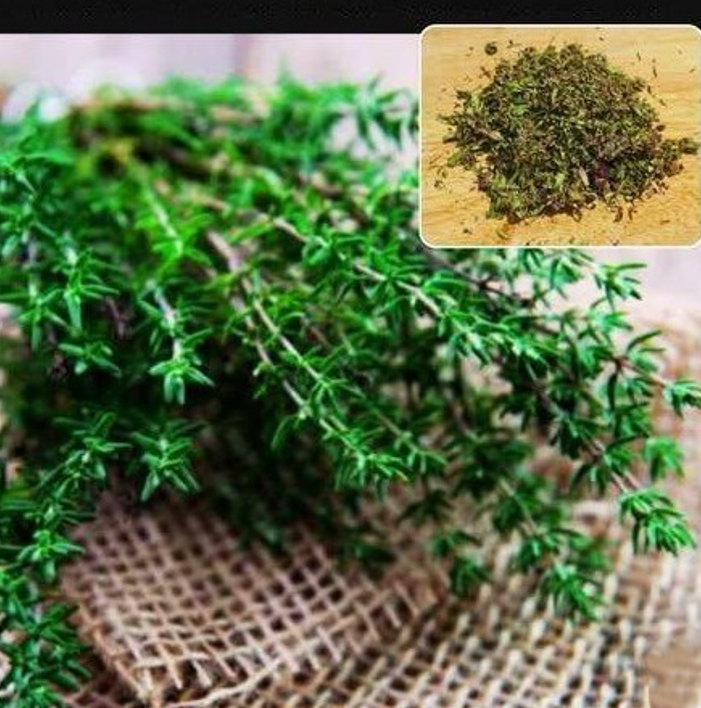
If you’re looking for one plant that combines beauty, flavor, health benefits, and easy care, thyme deserves a place in your garden.
This small but powerful herb has been treasured for centuries, not only for its distinctive aroma and culinary uses but also for its impressive medicinal properties. Whether you’re an experienced gardener or just starting out, thyme is one of the easiest and most rewarding plants you can grow.
A Versatile Addition to Any Garden
One of thyme’s greatest strengths is its versatility.
It fits beautifully into herb gardens, vegetable patches, rock gardens, and even between stepping stones as a fragrant ground cover. Its delicate flowers attract bees, butterflies, and other beneficial pollinators, helping support a healthier garden ecosystem.
Thyme also works exceptionally well as a companion plant. Its strong scent can help deter certain garden pests while attracting pollinators that benefit nearby fruits and vegetables.
Easy to Grow and Hard to Kill
Unlike many garden plants that require constant attention, thyme thrives with very little care.
Once established, it becomes highly drought-tolerant and can flourish in poor soil conditions where other plants struggle. It prefers full sun and well-drained soil, making it an excellent choice for gardeners who want beautiful results without constant maintenance.
With occasional pruning and regular harvesting, thyme remains productive for years. In fact, a single healthy plant can provide fresh leaves season after season, making it one of the most cost-effective herbs you can grow.
A Natural Remedy Used for Centuries
Thyme has long been valued as a traditional medicinal herb.
For generations, it has been used to help support respiratory health, soothe coughs, aid digestion, and promote overall wellness. Modern research has found that thyme contains compounds with antibacterial, antifungal, and antioxidant properties.
Many people enjoy thyme tea during cold and flu season, while others use thyme-infused oils and natural remedies as part of their wellness routines.
Although thyme should not replace professional medical care, its long history of traditional use has made it one of the world’s most respected medicinal herbs.
Packed with Valuable Nutrients
Despite its small size, thyme contains a surprising variety of nutrients.
It provides vitamins and minerals such as:
- Vitamin C
- Vitamin A
- Vitamin K
- Iron
- Manganese
- Potassium
These nutrients, combined with thyme’s antioxidant compounds, contribute to its reputation as a health-supporting herb.
A Favorite in the Kitchen
Thyme is one of the most versatile culinary herbs available.
Its earthy, slightly minty flavor pairs well with countless dishes, including:
- Roasted meats
- Poultry
- Fish
- Soups and stews
- Sauces and gravies
- Roasted vegetables
- Herb butters
- Homemade breads
Fresh thyme can be added directly to recipes, while dried thyme retains much of its flavor and can be stored for months.
Many gardeners also use thyme to create homemade herb oils, vinegars, marinades, and herbal teas.
Benefits of Growing Thyme
Here are some of the reasons gardeners love this remarkable herb:
✔ Easy to grow and maintain
✔ Drought-resistant once established
✔ Evergreen in many climates
✔ Rich in vitamins, minerals, and antioxidants
✔ Traditionally used for respiratory and digestive support
✔ Attracts bees and butterflies
✔ Naturally fragrant
✔ Useful in cooking, teas, oils, and home remedies
✔ Long-lasting and productive year after year
Choosing the Right Type of Thyme
There are more than 300 varieties of thyme, each with its own unique characteristics.
Common Thyme (Thymus vulgaris)
The classic culinary thyme. Ideal for cooking and medicinal use.
Lemon Thyme
Features a refreshing citrus scent and flavor. Excellent for seafood dishes, teas, and desserts.
Creeping Thyme
A low-growing variety often used as a decorative ground cover between pathways and garden stones.
Woolly Thyme
Known for its soft, silvery foliage and ornamental appeal.
Tips for Growing Healthy Thyme
For best results, plant thyme in a location that receives at least six hours of sunlight each day.
Keep these simple tips in mind:
- Use well-draining soil.
- Avoid waterlogged conditions.
- Water sparingly once established.
- Harvest regularly to encourage new growth.
- Prune lightly after flowering to maintain shape.
Remember, thyme prefers slightly dry conditions over excessive moisture.
When and How to Harvest
The best time to harvest thyme is just before the plant begins flowering. This is when the essential oils are at their highest concentration, producing the strongest aroma and flavor.
Fresh sprigs can be used immediately or preserved for later use.
To enjoy thyme year-round:
- Hang bundles upside down to dry.
- Store dried leaves in airtight containers.
- Freeze fresh sprigs for long-term storage.
With proper harvesting and storage, you’ll always have this aromatic herb on hand whenever you need it.
A Small Plant with Big Rewards
Few garden plants offer as many benefits as thyme.
It’s beautiful, fragrant, useful in the kitchen, supportive of pollinators, and valued for its traditional medicinal properties. Best of all, it’s incredibly easy to grow.
Whether you’re planting your first herb garden or looking to add another dependable favorite, thyme is a simple choice that continues to reward gardeners year after year.

