Everyone wants healthy, radiant skin.
Yet many expensive skincare products promise glowing results while delivering little more than temporary effects.
What if one of the most powerful beauty ingredients was already sitting in your kitchen?
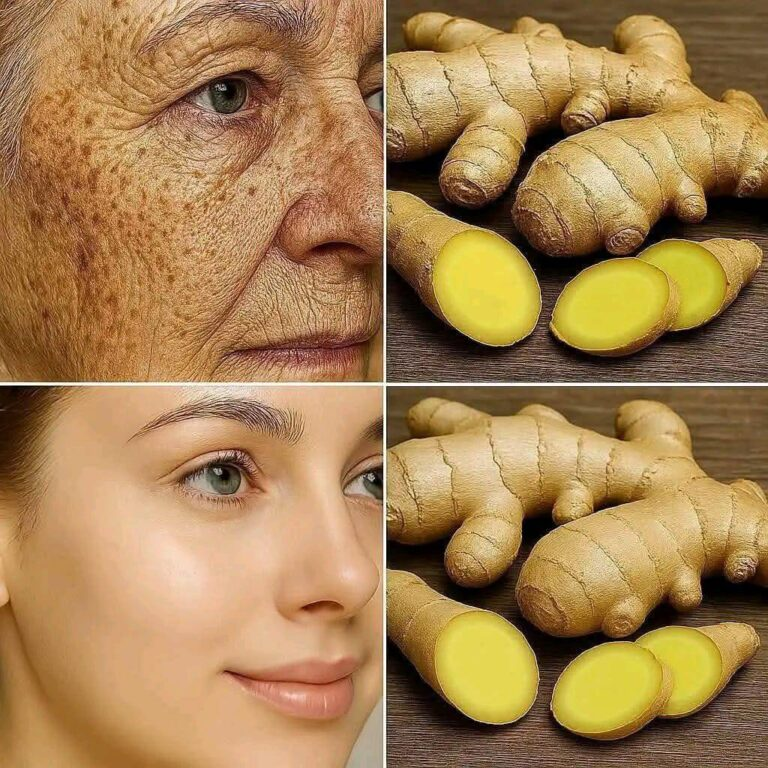
Ginger, a spice prized for centuries in traditional wellness practices, is now attracting attention in the skincare world for its antioxidant, soothing, and complexion-enhancing properties.
From dull skin and uneven tone to fine lines and blemishes, ginger may offer a natural way to support healthier-looking skin when used correctly.
Let’s explore why this remarkable root has become a favorite among natural beauty enthusiasts.
Why Ginger Is Becoming a Popular Skincare Ingredient
Ginger contains several naturally occurring compounds, including:
- Gingerol
- Shogaol
- Zingerone
- Antioxidants
- Vitamins and plant nutrients
These compounds contribute to ginger’s reputation as a powerful skincare ingredient.
1. Rich in Antioxidants
Every day, your skin faces exposure to:
- Pollution
- UV rays
- Environmental stressors
- Oxidative damage
Antioxidants help neutralize free radicals that contribute to premature aging.
By supporting the skin’s natural defenses, ginger may help maintain a fresher, more youthful appearance.
2. Helps Calm the Appearance of Redness
Ginger contains natural compounds that have been studied for their soothing properties.
Many people use ginger-based skincare to help reduce the appearance of:
- Temporary redness
- Minor irritation
- Uneven-looking skin
This makes it particularly appealing for individuals looking to improve overall skin comfort and appearance.
3. Promotes a Healthy-Looking Glow
One reason people love ginger is its ability to create the appearance of brighter, more energized skin.
Some skincare enthusiasts believe that ginger’s stimulating properties help support healthy circulation near the skin’s surface, contributing to a naturally radiant complexion.
Potential Benefits of Ginger for the Skin
Regular use may help support:
✔ Brighter-looking skin
✔ More even skin tone
✔ Improved skin texture
✔ A fresher appearance
✔ Reduced appearance of dullness
✔ Smoother-looking skin
Results vary from person to person, but many users report noticeable improvements when ginger becomes part of a consistent skincare routine.
Easy DIY Ginger Skincare Recipes
Ginger and Honey Glow Mask
This simple mask combines two popular natural skincare ingredients.
Ingredients
- 1 teaspoon freshly grated ginger
- 1 tablespoon raw honey
Directions
- Mix the ingredients thoroughly.
- Apply a thin layer to clean skin.
- Leave on for 10–15 minutes.
- Rinse with lukewarm water.
Benefits:
- Hydration
- Softness
- Temporary radiance
Ginger and Aloe Vera Soothing Mask
Perfect for skin that feels dry or tired.
Ingredients
- 1 teaspoon ginger juice
- 2 tablespoons pure aloe vera gel
Directions
Mix well and apply for 10 minutes before rinsing.
Benefits:
- Refreshes skin
- Provides hydration
- Leaves skin feeling soothed
Ginger and Yogurt Brightening Mask
Yogurt contains natural lactic acid, making it a gentle option for dull skin.
Ingredients
- 1 teaspoon grated ginger
- 2 tablespoons plain yogurt
Directions
Apply for 10 minutes and rinse gently.
Benefits:
- Mild exfoliation
- Improved skin appearance
- Temporary brightness
Ginger Sugar Scrub
This exfoliating treatment helps remove dead skin cells.
Ingredients
- 1 tablespoon grated ginger
- 1 tablespoon sugar
- 1 tablespoon coconut oil
Directions
Massage gently onto damp skin using circular motions.
Rinse thoroughly.
Use no more than once weekly.
Ginger Toner for Tired Skin
A simple homemade toner can leave skin feeling refreshed.
Ingredients
- 1 cup cooled green tea
- 1 teaspoon ginger juice
- 1 tablespoon rose water
Store in the refrigerator for up to three days.
Apply with a cotton pad after cleansing.
Supporting Skin Health From Within
Skincare isn’t only about what you apply externally.
Many people also enjoy ginger as part of a healthy diet.
Popular options include:
- Ginger tea
- Smoothies
- Fresh juices
- Stir-fries
- Soups
A balanced diet rich in fruits, vegetables, hydration, and nutrients plays an important role in overall skin health.
Important Safety Tips
Although ginger is natural, it can still cause irritation in some individuals.
Always Patch Test First
Apply a small amount to a discreet area and wait 24 hours.
Avoid Broken Skin
Do not apply ginger directly to cuts, wounds, or irritated areas.
Stop If Irritation Occurs
Discontinue use if you experience:
- Burning
- Persistent redness
- Rash
- Discomfort
Be Careful With Strong Combinations
Combining fresh ginger with:
- Retinoids
- Strong exfoliants
- Highly acidic ingredients
may increase irritation.
How Often Should You Use Ginger?
If you’re new to ginger skincare:
Start with:
- Once per week
Then gradually increase frequency if your skin tolerates it well.
Less is often more when introducing new skincare ingredients.
Choosing and Storing Fresh Ginger
For the best results:
✔ Choose firm roots
✔ Avoid soft or wrinkled pieces
✔ Look for smooth skin
✔ Store in the refrigerator
Fresh ginger typically remains usable for several weeks when properly stored.
The Bottom Line
Ginger has earned its place among nature’s most versatile beauty ingredients.
Its antioxidant-rich profile, soothing properties, and ability to support a brighter-looking complexion make it a valuable addition to many skincare routines.
Whether used in a simple face mask, toner, scrub, or enjoyed in your daily diet, ginger offers a natural way to help your skin look healthier and more radiant.
The secret to glowing skin isn’t always found in expensive products.
Sometimes it starts with a simple root that’s been trusted for centuries.
Disclaimer
This article is for informational purposes only and is not intended as medical advice. Individual skin reactions vary. Always perform a patch test before trying new skincare ingredients and consult a dermatologist for personalized skincare recommendations.

