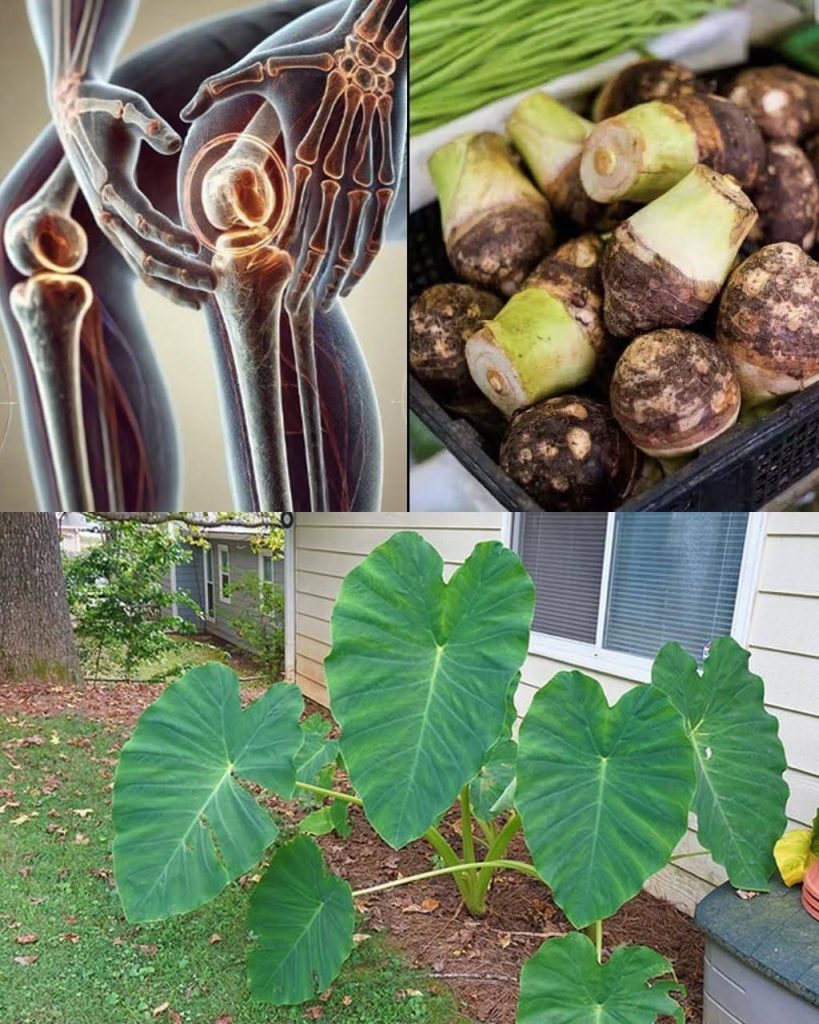
For thousands of years, people across Asia, Africa, the Pacific Islands, and the Caribbean have relied on a humble root vegetable for nourishment, energy, and wellness.
Today, that ancient food is attracting new attention from health-conscious consumers around the world.
It’s called taro (Colocasia esculenta), and while many people have never heard of it, this nutrient-rich root has been a dietary staple for more than 10,000 years. Packed with fiber, vitamins, minerals, and powerful plant compounds, taro offers a unique combination of nutrition, versatility, and sustainability.
But what makes this ancient root so special?
From supporting digestive health and heart function to serving as a naturally gluten-free alternative to common starches, taro is proving that some of the world’s healthiest foods have been hiding in plain sight all along.
A Food with Ancient Roots
Long before modern supermarkets existed, communities throughout Southeast Asia cultivated taro as one of the world’s earliest food crops. Over time, it spread across tropical regions and became deeply woven into local cultures and traditions.
Known as kalo in Hawaii, dasheen in the Caribbean, and arbi in parts of South Asia, taro has sustained generations thanks to its ability to thrive in challenging environments and provide dependable nutrition.
Today, many experts view taro as a valuable food for the future—one that combines traditional wisdom with modern nutritional science.
Why Taro Is Considered a Nutritional Powerhouse
Rich in Complex Carbohydrates
Unlike highly processed carbohydrates that can cause rapid spikes in energy followed by crashes, taro contains complex carbohydrates that digest more slowly. This helps provide steady energy throughout the day.
High in Dietary Fiber
Fiber plays a vital role in digestive health, and taro delivers a generous amount. A fiber-rich diet may help support healthy digestion, promote feelings of fullness, and contribute to overall wellness.
Loaded with Essential Nutrients
Taro contains a variety of important vitamins and minerals, including:
- Vitamin C
- Vitamin E
- Potassium
- Magnesium
- Manganese
These nutrients support normal immune function, muscle performance, and overall health.
Naturally Gluten-Free
For individuals who avoid gluten, taro can be an excellent alternative to wheat-based foods and flours.
Low in Fat
Taro naturally contains very little fat, making it a nutritious addition to many balanced eating plans.
Delicious Ways to Enjoy Taro
One reason taro has remained popular for centuries is its versatility.
Its mild, slightly sweet flavor works well in both savory and sweet recipes.
Popular ways to prepare taro include:
- Boiled or steamed
- Roasted
- Baked into chips
- Mashed like potatoes
- Added to soups and stews
- Used in curries
- Made into desserts, puddings, cakes, and ice cream
Important: Taro should always be cooked before eating. Raw taro contains naturally occurring calcium oxalate crystals that can irritate the mouth and throat.
Don’t Overlook the Leaves
Many people focus on the root, but taro leaves are also highly nutritious.
When properly cooked, they provide valuable nutrients such as:
- Vitamin A
- Vitamin C
- Calcium
- Iron
Cooked taro leaves are commonly used in traditional dishes throughout Asia and the Pacific, adding both flavor and nutrition.
Potential Health Benefits of Taro
Supports Digestive Health
The fiber found in taro may help maintain healthy digestion and support regular bowel function.
May Support Heart Health
Taro provides potassium, an essential mineral that helps maintain normal blood pressure and supports cardiovascular health.
Helps Promote Steady Energy
Because taro contains complex carbohydrates, many people find it helps provide sustained energy without the rapid highs and lows associated with highly processed foods.
Rich in Antioxidants
Taro contains antioxidants such as vitamin E and beta-carotene that help protect cells from oxidative stress.
An Environmentally Friendly Crop
Beyond its nutritional value, taro is also considered a sustainable crop.
It grows well in a variety of climates, can tolerate difficult growing conditions, and produces significant yields with relatively modest inputs. Nearly every part of the plant can be used, helping reduce waste and improve food security.
As climate challenges continue to affect agriculture around the world, resilient crops like taro may become increasingly important.
Final Thoughts
Taro may not receive the same attention as trendy superfoods, but its impressive nutritional profile, culinary versatility, and long history tell a remarkable story.
From its fiber-rich root to its nutrient-packed leaves, taro offers a wide range of benefits that have nourished communities for thousands of years.
Sometimes the most powerful foods aren’t the newest discoveries—they’re the ancient treasures we’ve forgotten.
And taro might just be one of the greatest hidden gems of them all.

