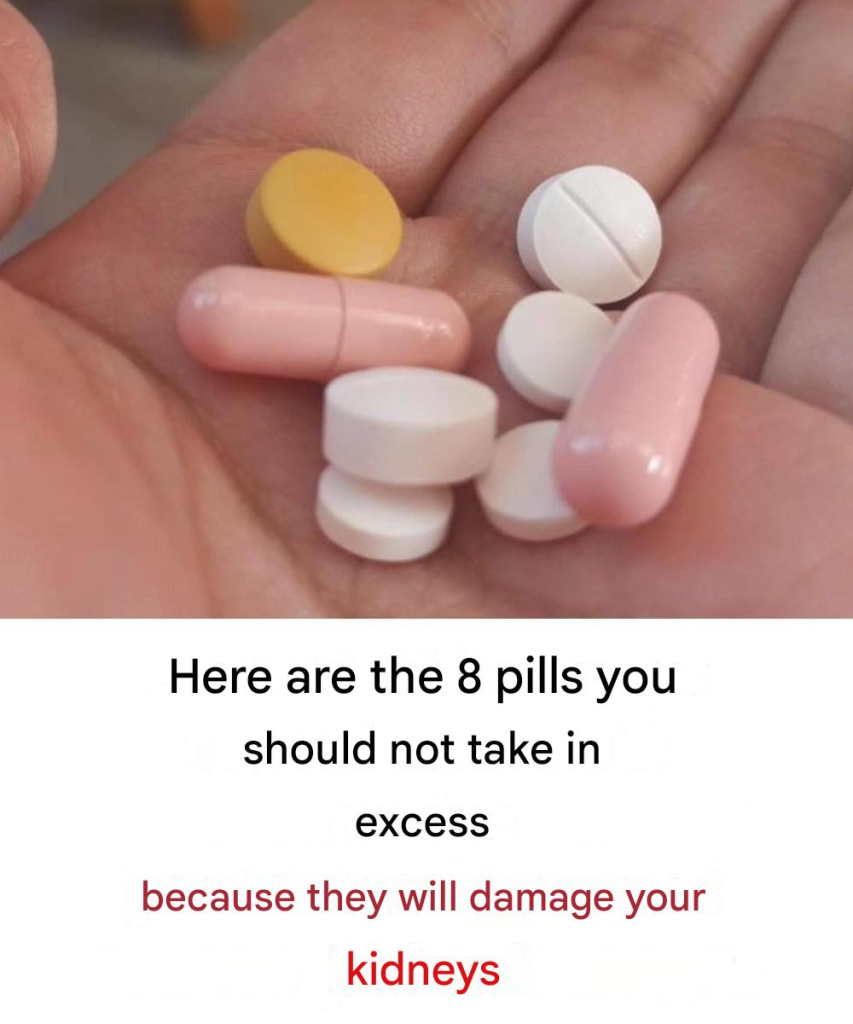
Your kidneys work around the clock to filter waste, balance fluids, regulate blood pressure, and help keep your body functioning properly.
Because these vital organs process many of the medications we take, certain drugs can place additional strain on the kidneys—especially when used long-term, at high doses, or by people who already have kidney disease.
This doesn’t mean these medications are unsafe or should be avoided when prescribed by a healthcare professional. In many cases, their benefits far outweigh the risks.
However, understanding which medications may affect kidney health can help you have informed conversations with your doctor and use them safely.
Why Some Medications Affect the Kidneys
The kidneys filter large amounts of blood every day.
As medications pass through the body, the kidneys often help break them down or remove them.
Some drugs may:
- Reduce blood flow to the kidneys
- Cause inflammation
- Affect kidney filtration
- Increase the risk of kidney injury in susceptible individuals
The risk is often higher in:
- Older adults
- People with diabetes
- Individuals with high blood pressure
- Those with existing kidney disease
- People taking multiple medications
1. Lithium
Lithium is commonly prescribed to help manage bipolar disorder.
While it can be highly effective, long-term use may affect kidney function in some individuals.
Doctors often recommend regular blood tests and kidney monitoring for people taking lithium over extended periods.
2. Certain Chemotherapy Medications
Several chemotherapy drugs have been associated with kidney-related side effects.
Examples include:
- Cisplatin
- Carboplatin
- Bevacizumab
These medications are important tools in cancer treatment, but kidney function is often monitored closely during therapy.
3. Propylthiouracil
Propylthiouracil is used to treat certain thyroid conditions.
In rare cases, it has been associated with kidney-related complications, which is why medical supervision is important.
4. Proton Pump Inhibitors (Heartburn Medications)
Millions of people use medications for acid reflux and heartburn.
Examples include:
- Omeprazole
- Lansoprazole
- Pantoprazole
- Rabeprazole
- Esomeprazole
Research has suggested that long-term use may be associated with an increased risk of certain kidney problems in some individuals.
5. Some Antiviral Medications
Certain antiviral drugs may affect kidney function, particularly when used for long periods or in higher-risk patients.
Examples include:
- Acyclovir
- Tenofovir
- Indinavir
Proper hydration and medical monitoring can help reduce risks.
6. Captopril and Other Blood Pressure Medications
Captopril belongs to a class of medications known as ACE inhibitors.
Although these drugs often help protect kidney function in people with diabetes and hypertension, they can sometimes affect kidney function under certain conditions, particularly if dehydration or pre-existing kidney problems are present.
This is why regular monitoring is important.
7. Certain Arthritis and Autoimmune Medications
Some medications used to manage autoimmune diseases and inflammatory conditions may require kidney monitoring.
Examples include:
- Infliximab
Healthcare providers often monitor kidney health as part of routine treatment.
8. Chloroquine and Hydroxychloroquine
Both:
- Chloroquine
- Hydroxychloroquine
have been used to treat malaria and certain autoimmune conditions.
Although serious kidney complications are uncommon, medical supervision remains important when taking these medications.
Warning Signs That Deserve Medical Attention
Contact a healthcare professional if you experience:
- Swelling of the legs, ankles, or feet
- Changes in urination
- Persistent fatigue
- Unexplained nausea
- Shortness of breath
- Sudden weight gain due to fluid retention
These symptoms can have many causes but should never be ignored.
How to Help Protect Your Kidneys
Simple habits can help support kidney health:
✅ Drink adequate water
✅ Follow medication instructions carefully
✅ Avoid unnecessary medication use
✅ Attend regular health checkups
✅ Discuss all supplements and medications with your healthcare provider
✅ Monitor blood pressure and blood sugar if recommended
Important Reminder
Never stop a prescribed medication without consulting your healthcare provider.
Many of the medications listed above are essential treatments that save lives and improve health when used appropriately.
The goal is not to create fear, but to encourage awareness and safe medication use.
Final Thoughts
Your kidneys quietly perform some of the body’s most important jobs every day.
While certain medications can affect kidney function, the risk often depends on dosage, duration of use, existing health conditions, and individual factors.
By staying informed, following medical advice, and monitoring your health regularly, you can help protect your kidneys while still receiving the treatments you need.
Knowledge isn’t about avoiding medication—it’s about using it wisely.

