Many people notice dark spots appearing on their hands as they get older.
At first, they seem harmless.
A small brown mark here.
A darker patch there.
Most people assume it’s simply part of aging.
But could some of these spots be warning signs of a more serious condition?
That question worries many seniors.
The truth is that while most dark spots are harmless, some deserve closer attention.
Knowing the difference could help you protect your health and gain peace of mind.
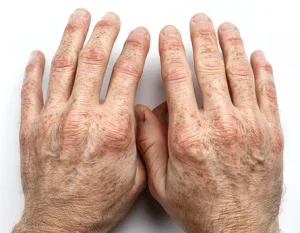
Why Do Dark Spots Appear on the Hands?
The hands are among the most exposed parts of the body.
Over the years, they absorb countless hours of sunlight, making them one of the first places where skin changes become visible.
Common causes include:
Sun Exposure
Years of sunlight can trigger excess pigment production, creating the dark spots often called “age spots” or “sun spots.”
Natural Aging
As the skin ages, it becomes thinner and less able to repair itself, making discoloration more common.
Hormonal Changes
Hormonal fluctuations, especially during menopause, can contribute to pigmentation changes.
Nutritional Deficiencies
A lack of certain vitamins and antioxidants may affect skin health and accelerate visible signs of aging.
Certain Health Conditions
In some cases, skin changes may be linked to underlying health issues that deserve medical attention.
When Should You Pay Attention?
Most age spots are harmless.
However, experts recommend watching for changes that seem unusual.
A spot should be evaluated by a healthcare professional if it:
- Appears suddenly
- Changes in size
- Changes in color
- Develops irregular borders
- Becomes raised or rough
- Itches, bleeds, or forms a crust
These changes do not automatically mean something serious is happening, but they should not be ignored.
Understanding Melanoma
Melanoma is one of the most serious forms of skin cancer.
It develops in pigment-producing cells called melanocytes and can appear almost anywhere on the body, including the hands.
Although melanoma is less common than many other skin conditions, early detection greatly improves treatment outcomes.
This is why dermatologists encourage people to become familiar with the appearance of their skin and monitor any changes.
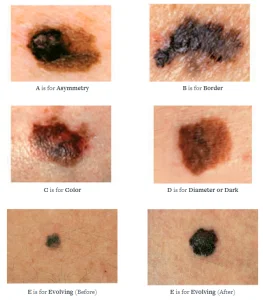
The ABCDE Warning Signs
Doctors often use the ABCDE rule to help identify suspicious spots:
A – Asymmetry
One half does not match the other half.
B – Border
The edges appear uneven, ragged, or blurred.
C – Color
Several different shades appear within the same spot.
D – Diameter
The spot is larger than about 6 millimeters.
E – Evolving
The spot changes over time.
A changing spot is often considered the most important warning sign.
Don’t Forget Your Fingernails
Many people are surprised to learn that unusual dark streaks under the fingernails can also require attention.
If a dark line appears under a nail and continues to grow or spread, it is wise to consult a dermatologist.
Simple Ways to Protect Your Skin
Protecting your skin doesn’t have to be complicated.
A few daily habits can make a significant difference:
Use Sunscreen Every Day
Even during cloudy weather, UV rays can affect the skin.
Moisturize Regularly
Healthy skin is more resilient and often appears younger.
Eat Antioxidant-Rich Foods
Colorful fruits and vegetables provide nutrients that support skin health.
Stay Hydrated
Proper hydration helps maintain skin elasticity and appearance.
Avoid Smoking
Smoking accelerates skin aging and contributes to discoloration.
The Bottom Line
Most dark spots on the hands are simply signs of years well lived.
They are often harmless reminders of time, sunlight, and life’s experiences.
However, any spot that changes, grows, or looks unusual should be checked by a medical professional.
When it comes to skin health, paying attention early is always better than waiting.
Your hands tell the story of your life.
Make sure they’re not trying to tell you something important.

