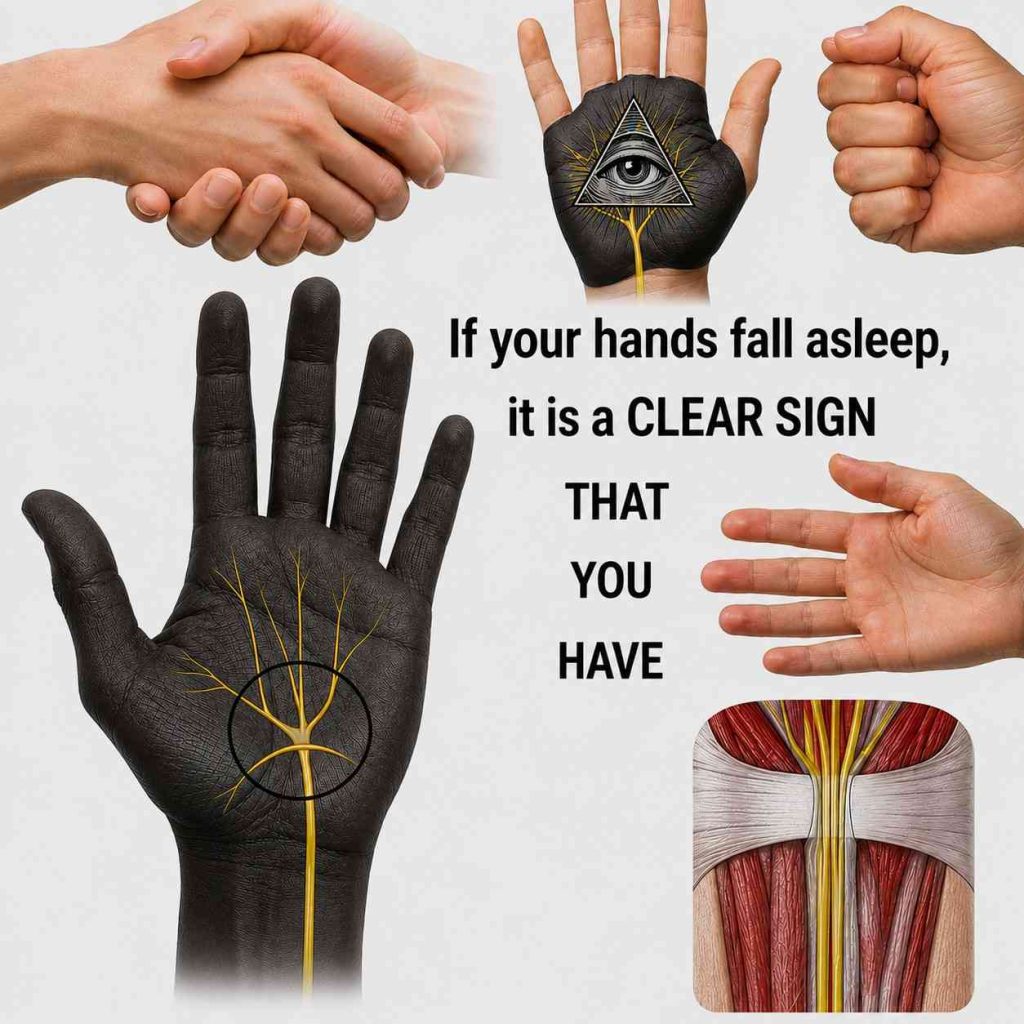
Have you ever woken up in the middle of the night with a tingling hand?
Or perhaps you’ve been watching television, reading a book, or holding your phone when suddenly your fingers started to feel numb.
Most people experience this at some point in their lives. Often, it goes away after shaking the hand or changing position. But when it starts happening frequently, many people wonder if it’s a sign of something more serious.
The truth is that numbness, tingling, and the sensation that your hands have “fallen asleep” can happen for several different reasons.
Why Does a Hand Fall Asleep?
Your nerves act like communication highways between your brain and the rest of your body.
When one of those nerves becomes compressed or irritated, the signals traveling through it can become disrupted. This may lead to symptoms such as:
- Tingling
- Numbness
- Burning sensations
- Weakness
- Pins-and-needles feelings
Sometimes this happens simply because you’ve slept in an awkward position.
Other times, recurring symptoms may indicate an underlying issue that deserves attention.
One Common Cause: Carpal Tunnel Syndrome
One of the most common causes of hand numbness is a condition called carpal tunnel syndrome.
Inside the wrist is a narrow passageway known as the carpal tunnel. A major nerve called the median nerve passes through this tunnel.
When the tunnel becomes crowded or inflamed, pressure can build on the nerve.
This can cause:
- Numbness in the thumb, index finger, middle finger, and part of the ring finger
- Tingling that worsens at night
- Weakness when gripping objects
- Difficulty holding small items
Many people first notice symptoms while sleeping.
Other Possible Causes
Carpal tunnel syndrome isn’t the only explanation.
Several other conditions may also cause numbness in the hands.
Poor Sleeping Position
Sleeping with your arm under your body or your wrist bent awkwardly can temporarily compress nerves.
Fortunately, symptoms usually disappear once pressure is relieved.
Pinched Nerves in the Neck
Problems affecting the neck can sometimes cause symptoms that travel down the arm and into the hand.
A compressed nerve in the cervical spine may create numbness, tingling, or weakness.
Diabetes
People with diabetes may develop nerve damage over time, a condition known as peripheral neuropathy.
This can affect the hands, feet, or both.
Vitamin Deficiencies
Low levels of certain vitamins, particularly vitamin B12, may contribute to nerve-related symptoms.
Arthritis
Arthritis affecting the wrist or hand can sometimes create pressure around nerves and lead to discomfort.
When Should You See a Doctor?
Occasional tingling after sleeping awkwardly is usually not a cause for alarm.
However, you should consider speaking with a healthcare professional if:
- Symptoms happen frequently
- Numbness lasts for long periods
- You notice weakness in the hand
- You frequently drop objects
- Symptoms spread up the arm
- Both hands are affected regularly
A medical evaluation can help determine the underlying cause and whether treatment is needed.
Simple Habits That May Help
Depending on the cause, some people find relief by:
- Avoiding prolonged wrist bending
- Taking breaks from repetitive hand movements
- Improving posture
- Stretching gently throughout the day
- Using ergonomic keyboards and tools
- Wearing a wrist brace at night if recommended by a healthcare provider
The Bottom Line
If your hands occasionally fall asleep, it may simply be the result of temporary pressure on a nerve.
But if numbness and tingling become a regular occurrence, it could be your body’s way of signaling that something needs attention.
The good news is that many causes of hand numbness can be identified and managed once the underlying issue is understood.
Have you ever experienced numbness or tingling in your hands? Let us know in the comments.

