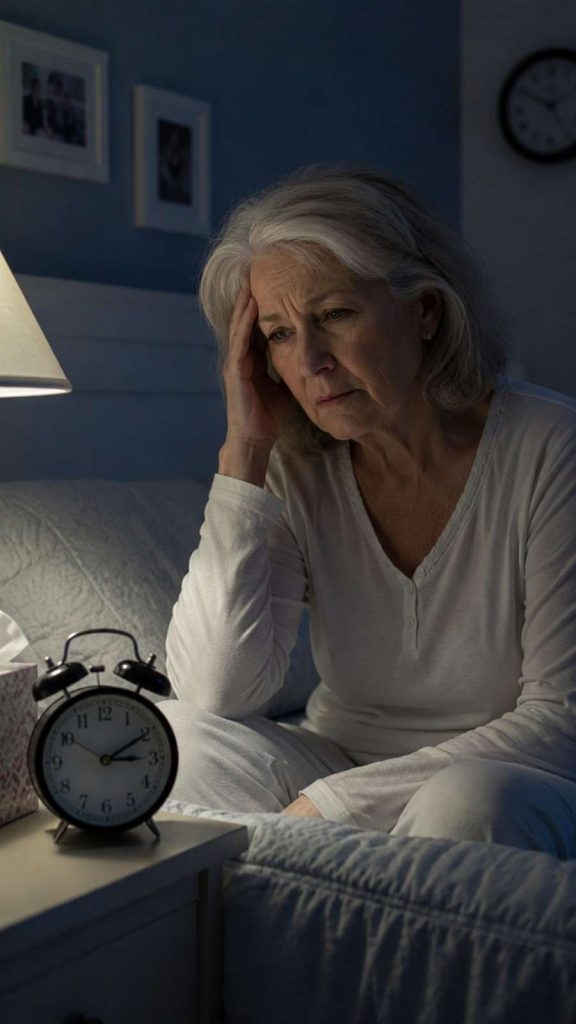
There was a time when falling asleep seemed effortless.
Your head hit the pillow, your eyes closed, and before you knew it, morning had arrived.
But for many women over 60, those restful nights become harder and harder to find.
Maybe you wake up at 2 a.m. and can’t fall back asleep. Maybe you toss and turn for hours. Or perhaps you wake up feeling just as tired as when you went to bed.
If this sounds familiar, you’re far from alone.
Millions of women over 60 struggle with sleep problems, and the effects can go far beyond simple fatigue.
Why Sleep Changes After 60
As we age, our bodies naturally produce less melatonin, the hormone that helps regulate sleep.
Hormonal changes, medications, stress, chronic pain, and certain health conditions can all interfere with a good night’s rest.
Many women find themselves waking more often during the night, sleeping more lightly, or struggling to fall asleep in the first place.
Unfortunately, poor sleep isn’t just frustrating—it can affect your overall health.
The Hidden Risks of Poor Sleep
Many people think sleep problems are simply part of getting older.
But experts have found that chronic sleep deprivation may be linked to several serious health concerns.
Memory Problems
Sleep plays an important role in how the brain stores and processes memories.
When sleep is interrupted night after night, concentration can suffer, memory may become less sharp, and everyday tasks may feel more difficult.
Many older adults report increased forgetfulness after periods of poor sleep.
Heart Health Concerns
Research has shown that inadequate sleep may increase the risk of:
- High blood pressure
- Heart disease
- Stroke
- Irregular heart rhythms
During sleep, the body repairs itself and helps regulate blood pressure and inflammation. Without enough quality sleep, the heart has to work harder.
Mood and Emotional Health
Lack of sleep can also affect emotional well-being.
Women who struggle with insomnia often report:
- Increased anxiety
- Irritability
- Mood swings
- Feelings of sadness or depression
Even one poor night’s sleep can affect how we feel the next day.
Could It Be Sleep Apnea?
One common but often overlooked cause of sleep problems is sleep apnea.
Sleep apnea causes breathing to repeatedly stop and start during sleep.
Warning signs include:
- Loud snoring
- Waking up gasping for air
- Morning headaches
- Extreme daytime fatigue
- Dry mouth upon waking
Many women are surprised to learn they have sleep apnea because it is often associated with men. However, the condition becomes more common in women after menopause.
If you suspect sleep apnea, talk with your healthcare provider.
Simple Habits That May Improve Sleep
The good news is that small changes can often make a big difference.
Maintain a Regular Sleep Schedule
Try to go to bed and wake up at the same time every day—even on weekends.
Limit Screen Time Before Bed
Televisions, tablets, and smartphones emit blue light that can interfere with the body’s natural sleep signals.
Create a Relaxing Bedtime Routine
Consider:
- Reading a book
- Gentle stretching
- Listening to calming music
- Practicing deep breathing exercises
Watch Caffeine Intake
Coffee, tea, and certain soft drinks can affect sleep for hours after consumption.
Stay Active
Regular physical activity can help improve sleep quality and overall health.
Even a daily walk can make a difference.
When to Talk to Your Doctor
If sleep problems continue for weeks or months, don’t ignore them.
Persistent insomnia, excessive daytime sleepiness, loud snoring, or sudden changes in sleep patterns should be discussed with a healthcare professional.
Sleep is not a luxury.
It is one of the most important pillars of healthy aging.
The Bottom Line
Many women over 60 accept poor sleep as an unavoidable part of growing older.
But that isn’t always true.
Understanding the causes of sleep problems—and taking steps to address them—may help improve memory, support heart health, boost mood, and increase overall quality of life.
Sometimes the path to feeling better starts with something as simple as getting a good night’s sleep.

