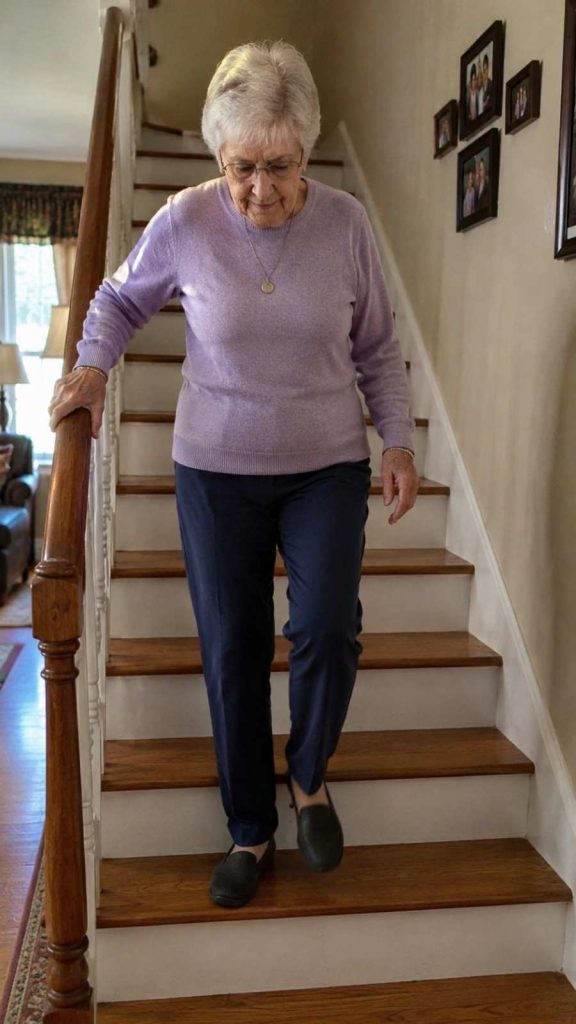
Many women spend years focusing on their heart, weight, blood pressure, and cholesterol.
But there is another part of the body that deserves just as much attention after age 60:
Your bones.
The truth is that bones naturally become thinner and weaker with age, especially after menopause. In fact, millions of older women develop osteoporosis, a condition that makes bones fragile and more likely to break.
The scary part?
Many people don’t realize they have weakening bones until a fall leads to a fracture.
The good news is that there are simple steps you can take every day to help protect your bones and maintain your independence as you age.
Why Bone Health Matters After 60
Bones are living tissue that constantly rebuilds itself.
When we’re younger, the body creates new bone faster than it removes old bone. But as we get older, that balance begins to change.
Women are particularly vulnerable because declining estrogen levels after menopause can accelerate bone loss.
This can increase the risk of:
- Hip fractures
- Spine fractures
- Wrist fractures
- Loss of mobility
- Chronic pain
Strong bones help you stay active, independent, and confident in everyday life.
The Power of Calcium
Calcium is one of the most important nutrients for bone health.
Your body uses calcium to maintain strong bones and teeth, while also supporting muscle and nerve function.
If you don’t get enough calcium from your diet, your body may begin pulling it from your bones.
Calcium-Rich Foods
Try including more of these foods in your daily meals:
- Milk
- Yogurt
- Cheese
- Sardines
- Salmon with soft bones
- Leafy greens such as kale and collard greens
- Fortified plant-based milks
- Tofu
- Almonds
A balanced diet can often provide much of the calcium your body needs.
Don’t Forget Vitamin D
Calcium cannot do its job properly without vitamin D.
Vitamin D helps your body absorb calcium more effectively.
Without enough vitamin D, even a calcium-rich diet may not fully support bone health.
Natural Sources of Vitamin D
- Safe sunlight exposure
- Fatty fish such as salmon and mackerel
- Egg yolks
- Fortified dairy products
- Fortified cereals
Many older adults have low vitamin D levels without realizing it.
A simple blood test can help determine whether your levels are adequate.
Exercise Helps Build Stronger Bones
Many people assume exercise is only for muscles.
In reality, physical activity also helps keep bones strong.
Weight-bearing activities encourage bones to stay healthy by placing gentle stress on them.
Helpful Activities Include:
- Walking
- Dancing
- Gardening
- Climbing stairs
- Light strength training
- Tai Chi
Even a short daily walk can make a difference over time.
Preventing Falls Is Just as Important
Strong bones matter, but avoiding falls is equally important.
Simple changes can reduce your risk:
- Remove loose rugs
- Improve lighting in hallways
- Wear supportive shoes
- Use handrails when available
- Have your vision checked regularly
Many fractures occur because of preventable falls inside the home.
Signs You Should Talk to Your Doctor
Consider discussing bone health with your healthcare provider if you:
- Are over 60
- Have a family history of osteoporosis
- Have lost height over time
- Have experienced a fracture after a minor fall
- Have concerns about calcium or vitamin D intake
Your doctor may recommend bone density testing to better understand your risk.
Small Steps Today Can Protect Your Future
Bone health often doesn’t get much attention until a problem appears.
But taking care of your bones now may help you remain active, mobile, and independent for years to come.
A healthy diet, regular movement, adequate calcium, and sufficient vitamin D can make a meaningful difference.
After all, strong bones don’t just support your body.
They support the life you want to continue enjoying.

