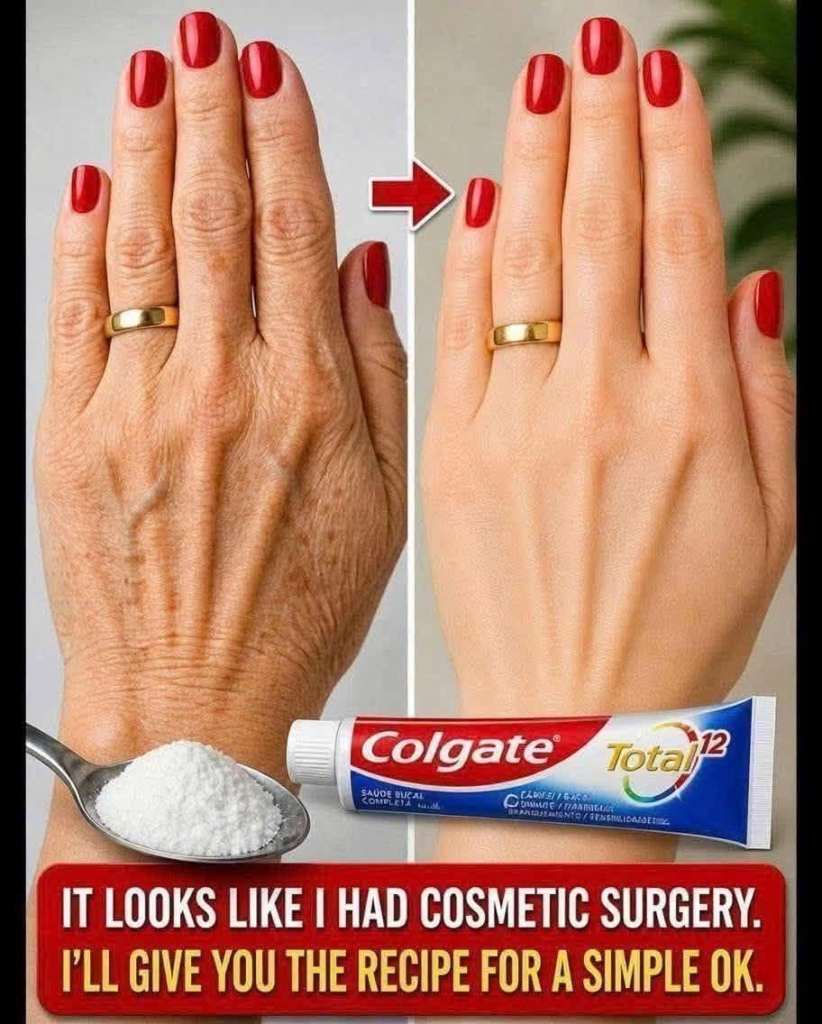
Have you ever looked down at your hands and wondered why they seem to age faster than the rest of your body?
Many people notice dark spots, wrinkles, thinning skin, or visible veins appearing on their hands long before they see significant changes elsewhere. While these signs can be frustrating, they are often a normal part of aging and may reveal years of accumulated sun exposure and environmental damage.
The good news is that understanding what causes these changes can help you take better care of your skin and maintain a healthier appearance over time.
Why Hands Often Show Aging First
Unlike many other areas of the body, our hands are exposed to the environment almost every day.
They face:
- Sunlight
- Wind
- Cold temperatures
- Household cleaning products
- Frequent washing
Over time, this constant exposure can accelerate visible signs of aging.
Because many people regularly protect their face with sunscreen and skincare products while neglecting their hands, the difference becomes even more noticeable as the years pass.
Age Spots: The Most Common Cause
One of the most frequent changes people notice is the appearance of age spots.
Also known as liver spots or solar lentigines, these flat brown, gray, or black spots typically develop after years of sun exposure.
They commonly appear on:
- Hands
- Face
- Shoulders
- Arms
Age spots form when ultraviolet (UV) radiation stimulates excess melanin production in certain areas of the skin.
Although generally harmless, they can make the hands appear significantly older.
Thinning Skin and Visible Veins
As we age, the skin naturally becomes thinner.
This occurs because the body gradually produces less:
- Collagen
- Elastin
- Natural oils
As a result:
- Veins become more noticeable
- Tendons become more visible
- Skin loses some of its youthful plumpness
This process is completely normal but often contributes to the “aged hand” appearance many people notice after age 50.
Dryness Makes Aging More Noticeable
Dry skin can exaggerate nearly every sign of aging.
When the skin lacks moisture, it may appear:
- Rough
- Wrinkled
- Flaky
- Dull
Frequent hand washing, harsh soaps, and environmental factors can strip away natural oils that help maintain softness and elasticity.
Using a quality moisturizer regularly can help improve the appearance and comfort of aging skin.
Pigmentation Changes
Not all dark spots are caused by age alone.
Changes in skin pigmentation may also result from:
- Genetics
- Hormonal fluctuations
- Previous skin inflammation
- Certain medications
- Environmental exposure
These changes can create uneven skin tone and make age spots appear more pronounced.
When to Pay Attention
Most age-related skin changes are harmless.
However, it is important to monitor any skin spot that:
- Changes rapidly in size
- Has irregular borders
- Becomes painful
- Bleeds
- Changes color unexpectedly
Any unusual skin change should be evaluated by a healthcare professional or dermatologist.
How to Help Protect Your Hands
Simple daily habits can help slow visible aging:
Wear Sunscreen
Apply sunscreen to your hands every day, especially when driving or spending time outdoors.
Moisturize Frequently
Use a rich hand cream after washing and before bed.
Wear Gloves
Protect your hands during cleaning, gardening, and cold weather.
Stay Hydrated
Proper hydration supports overall skin health.
Eat a Balanced Diet
Nutrients such as vitamin C, vitamin E, and healthy fats help support healthy skin from within.
Final Thoughts
Your hands tell the story of your life. They work hard every day and often receive less protection than the rest of your skin.
Age spots, dryness, thinning skin, and visible veins are common changes that naturally occur over time, especially after years of sun exposure.
While aging cannot be stopped completely, understanding these changes and adopting simple protective habits can help your hands remain healthier, softer, and more comfortable for years to come.
If you’ve noticed new spots or changes on your hands, paying attention early and consulting a professional when needed is always the safest approach.

