Your liver works around the clock.
While you sleep, eat, work, and go about your daily life, this remarkable organ quietly performs hundreds of essential tasks that keep your body functioning properly.
It helps process nutrients, filters waste products, supports digestion, stores energy, and plays a major role in maintaining overall health.
Because the liver is so resilient, problems can sometimes develop gradually without obvious symptoms at first.
That’s why paying attention to certain warning signs may help you recognize when something isn’t right.
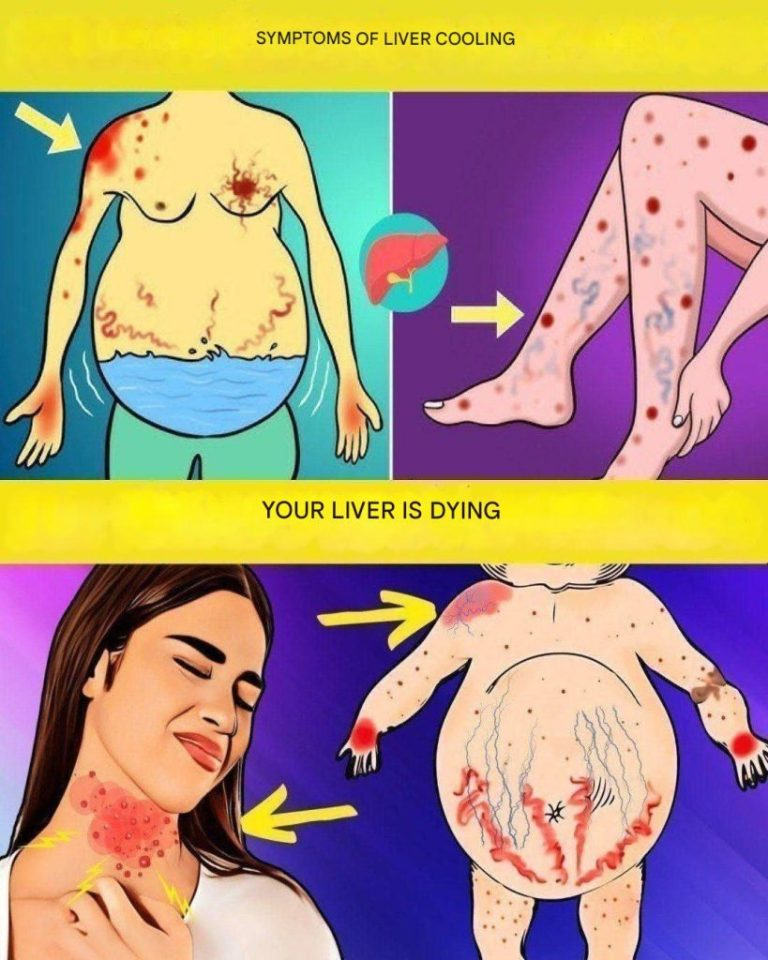
Here are 17 symptoms that can sometimes be associated with liver problems and should not be ignored.
Why Your Liver Matters
The liver is one of the body’s largest and hardest-working organs.
Its responsibilities include:
- Filtering toxins from the blood
- Producing bile for digestion
- Processing medications
- Storing vitamins and minerals
- Supporting metabolism
- Helping regulate blood sugar
When liver function becomes impaired, a variety of symptoms may appear throughout the body.
1. Persistent Fatigue
Feeling tired occasionally is normal.
However, ongoing fatigue that doesn’t improve with rest may sometimes be linked to liver dysfunction.
When the liver struggles to process substances efficiently, it can affect energy levels and overall well-being.
2. Yellowing of the Skin or Eyes (Jaundice)
One of the most recognizable signs of liver disease is jaundice.
This condition causes:
- Yellowing of the skin
- Yellowing of the whites of the eyes
It occurs when bilirubin builds up in the bloodstream.
3. Dark-Colored Urine
Urine that appears unusually dark despite adequate hydration can sometimes be associated with elevated bilirubin levels.
This symptom should always be evaluated by a healthcare professional.
4. Pale or Clay-Colored Stools
Changes in stool color may indicate problems involving bile production or bile flow.
Pale, gray, or clay-colored stools can occasionally signal liver or gallbladder issues.
5. Pain in the Upper Right Abdomen
The liver sits in the upper right side of the abdomen.
Pain or discomfort in this area may sometimes indicate inflammation, swelling, or other liver-related conditions.
6. Abdominal Swelling
In advanced liver disease, fluid may accumulate in the abdomen.
This condition, known as ascites, can cause noticeable swelling and discomfort.
7. Nausea or Vomiting
Frequent nausea, digestive discomfort, or unexplained vomiting can occur when the liver is not functioning normally.
8. Loss of Appetite
A sudden lack of interest in food or feeling full after eating only small amounts may be another warning sign.
9. Unexplained Weight Loss
Losing weight without changes in diet or physical activity deserves medical attention, especially when accompanied by other symptoms.
10. Swollen Legs and Ankles
Fluid retention may cause swelling in:
- Feet
- Ankles
- Lower legs
This symptom can occur when the liver has difficulty regulating fluid balance.
11. Mental Confusion or Difficulty Concentrating
When toxins accumulate in the bloodstream due to reduced liver function, they may affect brain function.
Some people experience:
- Brain fog
- Memory issues
- Difficulty concentrating
- Mental confusion
12. Persistent Itching
Unexplained itching throughout the body can sometimes occur when bile salts accumulate under the skin.
The itching may become intense and difficult to relieve.
13. Changes in Skin Appearance
Certain liver conditions may contribute to:
- Dark patches on the skin
- Visible blood vessels
- Spider-like veins
These changes can sometimes provide clues about underlying liver health.
14. Easy Bruising
The liver helps produce proteins involved in blood clotting.
When liver function declines, bruising may occur more easily than usual.
15. Frequent Bleeding
Recurring nosebleeds or bleeding gums may occasionally be linked to impaired clotting function.
16. Difficulty Digesting Fatty Foods
Bile produced by the liver helps digest fats.
When bile production or flow is disrupted, fatty meals may become more difficult to tolerate.
Symptoms may include:
- Bloating
- Nausea
- Indigestion
17. Changes in Taste
Some individuals with liver disorders report:
- Metallic taste in the mouth
- Altered food preferences
- Reduced enjoyment of meals
Although less common, these changes may occur alongside other symptoms.
Common Causes of Liver Problems
Many conditions can affect liver health.
Some of the most common include:
Fatty Liver Disease
Often associated with obesity, diabetes, and metabolic syndrome.
Viral Hepatitis
Inflammation caused by viruses such as hepatitis B or hepatitis C.
Excessive Alcohol Use
Long-term alcohol consumption can damage liver tissue.
Certain Medications
Some medications may affect liver function, especially when used improperly.
Autoimmune Conditions
In some cases, the immune system mistakenly attacks liver cells.
Can the Liver Heal Itself?
One of the most remarkable things about the liver is its ability to regenerate.
In many situations, early damage can improve when the underlying cause is addressed.
However, severe or long-standing damage may eventually lead to permanent scarring known as cirrhosis.
Early detection remains extremely important.
Ways to Support Liver Health
Simple lifestyle habits can help support normal liver function:
✔ Maintain a healthy weight
✔ Eat a balanced diet
✔ Limit alcohol consumption
✔ Exercise regularly
✔ Stay hydrated
✔ Avoid unnecessary medications
✔ Get recommended vaccinations
✔ Schedule regular medical checkups
When Should You See a Doctor?
Seek medical advice if you experience:
- Persistent fatigue
- Jaundice
- Abdominal swelling
- Ongoing digestive issues
- Unexplained weight loss
- Dark urine or pale stools
Early evaluation can help identify problems before they become more serious.
Final Thoughts
The liver is one of the body’s most important organs, yet many people pay little attention to it until symptoms appear.
Recognizing potential warning signs and seeking timely medical advice can make a significant difference.
While many of these symptoms may have causes unrelated to the liver, persistent or multiple symptoms occurring together deserve professional evaluation.
Your body often provides clues when something isn’t right.
Listening to those signals is one of the best ways to protect your long-term health.
Disclaimer
This article is for informational purposes only and is not intended to diagnose, treat, cure, or prevent any disease. Many of the symptoms listed can be caused by conditions unrelated to the liver. Always consult a qualified healthcare professional regarding concerns about your health.

