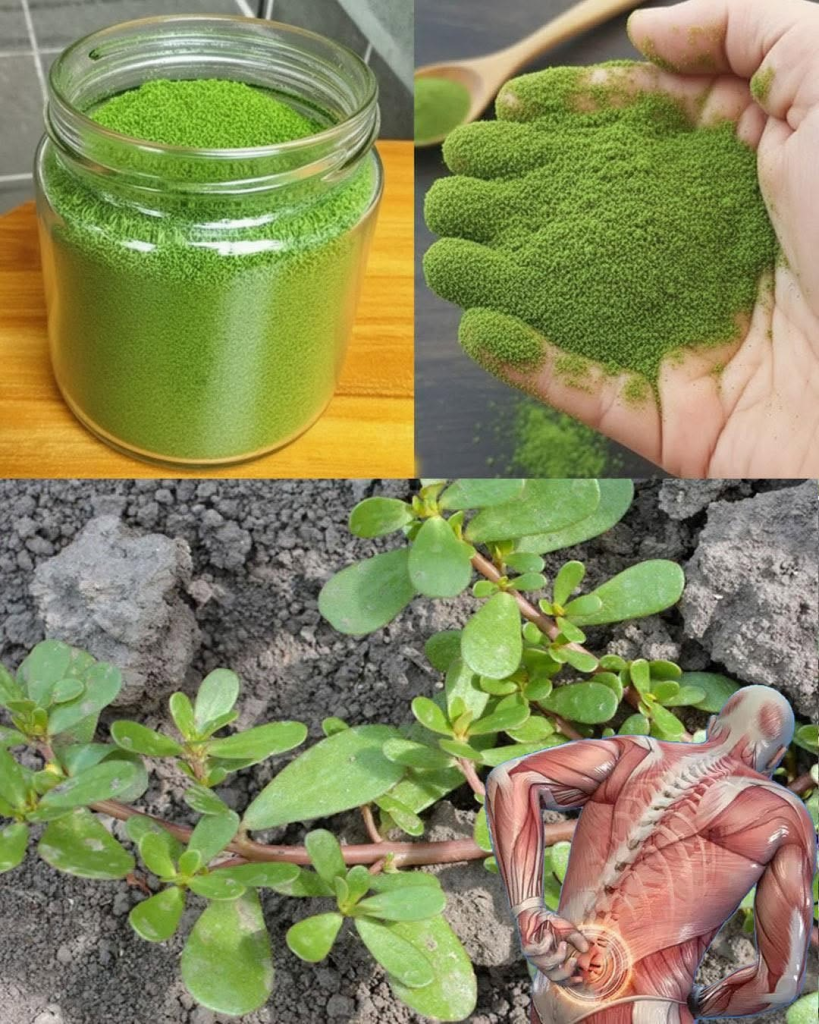
Walk through almost any backyard garden, and you’ll probably find it growing between vegetables, along pathways, or in neglected corners.
Many people see it as a weed.
Others pull it out and throw it away without a second thought.
But what if this humble plant is actually one of the most nutrient-dense foods growing right under your feet?
Meet purslane (Portulaca oleracea), a surprisingly powerful leafy green that has been eaten for centuries around the world. With its crisp texture, refreshing lemony flavor, and impressive nutritional profile, purslane is earning a reputation as one of nature’s most underrated superfoods.
Here are seven reasons why more gardeners are choosing to grow it instead of removing it.
1. One of the Richest Plant Sources of Omega-3 Fatty Acids
Most people associate omega-3 fatty acids with fish.
However, purslane contains unusually high levels of omega-3s for a leafy green.
These healthy fats help support:
- Heart health
- Brain function
- Healthy aging
- The body’s normal inflammatory response
For people looking to increase plant-based nutrition, purslane is an exceptional addition to the menu.
2. Packed with Vitamins and Minerals
Despite its small size, purslane contains an impressive variety of nutrients.
It provides:
- Vitamin A
- Vitamin C
- Vitamin E
- Magnesium
- Potassium
- Calcium
- Iron
These nutrients play important roles in maintaining overall health, supporting immunity, and helping the body function properly.
3. May Support Heart Health
Purslane’s combination of omega-3 fatty acids, potassium, and antioxidants makes it a favorite among people focused on heart-friendly eating.
These nutrients may help support:
- Healthy cholesterol levels already within the normal range
- Normal blood pressure
- Healthy circulation
Combined with a balanced lifestyle, nutrient-rich foods like purslane can be part of a heart-conscious diet.
4. Low in Calories but Rich in Fiber
Trying to eat healthier doesn’t mean you have to sacrifice flavor.
Purslane is naturally low in calories while providing fiber that helps promote feelings of fullness.
Many people enjoy adding it to meals because it can:
- Support digestion
- Reduce unnecessary snacking
- Help create satisfying meals without excessive calories
Its crisp texture also makes it a refreshing alternative to traditional salad greens.
5. Loaded With Antioxidants
Purslane contains a variety of antioxidant compounds, including:
- Beta-carotene
- Vitamin C
- Glutathione
- Betalains
Antioxidants help protect cells from oxidative stress and support overall wellness.
This is one reason purslane continues to attract attention among nutrition enthusiasts.
6. Incredibly Easy to Grow
Unlike many vegetables that require constant care, purslane is remarkably resilient.
It thrives in:
- Poor soil
- Dry conditions
- Containers
- Raised beds
- Garden borders
Because it tolerates heat and drought so well, it is often considered one of the easiest edible plants for beginners.
Once established, it tends to produce a continuous supply of fresh greens throughout the growing season.
7. Surprisingly Delicious
One of purslane’s biggest advantages is its flavor.
Unlike some leafy greens that can be bitter, purslane offers a pleasant taste often described as:
- Slightly lemony
- Mildly salty
- Refreshingly crisp
Its succulent leaves add texture and flavor to a wide variety of dishes.
Easy Ways to Eat Purslane
Fresh in Salads
Purslane’s crunchy texture makes it an excellent salad ingredient.
In Smoothies
Blend a handful into green smoothies for extra nutrition.
Stir-Fried
Lightly sauté purslane with garlic and olive oil for a simple side dish.
Added to Soups
It blends well into soups and stews while adding nutrients and texture.
In Omelets
Mix chopped purslane into eggs for a nutrient-rich breakfast.
A Simple Purslane Recipe
Try this quick and easy side dish:
Ingredients
- Fresh purslane
- Olive oil
- Garlic
- Lemon juice
- Pinch of salt
Directions
- Wash the purslane thoroughly.
- Lightly sauté garlic in olive oil.
- Add purslane and cook briefly.
- Finish with lemon juice.
- Serve immediately.
Simple, flavorful, and packed with nutrition.
A Few Important Notes
Only consume purslane that has been properly identified.
It can sometimes be confused with similar-looking plants, so avoid harvesting wild plants unless you are confident of identification.
Individuals with specific health conditions should consult a healthcare professional before making major dietary changes.
Final Thoughts
Purslane may look like an ordinary weed, but its nutritional value tells a very different story.
Rich in omega-3 fatty acids, vitamins, minerals, fiber, and antioxidants, this hardy little plant offers an impressive combination of flavor and nutrition.
The next time you spot purslane growing in your garden, you might want to think twice before pulling it out.
What looks like a weed could actually be one of the healthiest foods in your backyard.

