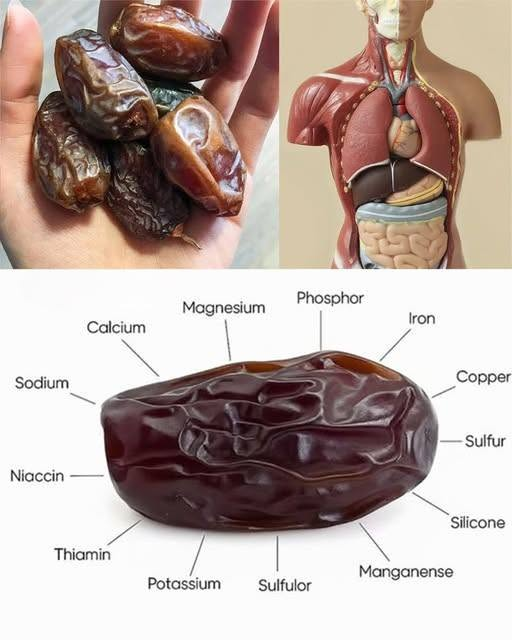
Sweet, chewy, and packed with nutrients, dates have been treasured for thousands of years.
Often called “nature’s candy,” these delicious fruits have been a staple food throughout the Middle East and North Africa for generations. But dates offer far more than natural sweetness. Hidden inside every bite is an impressive collection of vitamins, minerals, fiber, and antioxidants that can support overall health in remarkable ways.
Whether you’re looking for a natural energy boost, better digestion, or a healthier alternative to processed snacks, dates may be one of the most underrated superfoods in your kitchen.
What Makes Dates So Special?
Dates grow on date palm trees and come in a variety of colors and textures, ranging from soft and caramel-like to firm and chewy.
Despite their small size, they are packed with essential nutrients that help support the body every day.
A Nutritional Powerhouse
Dates provide a wide range of important nutrients, including:
- Potassium
- Magnesium
- Calcium
- Iron
- Manganese
- Phosphorus
- Vitamin A
- Natural dietary fiber
They also contain powerful antioxidants such as flavonoids, carotenoids, and phenolic compounds that help protect cells from oxidative stress.
1. A Natural Energy Booster
Need a quick source of energy without reaching for processed sugar?
Dates contain natural sugars such as glucose and fructose that provide fuel for the body. Unlike many processed snacks, dates also contain fiber, which helps slow digestion and provides a more sustained release of energy.
This is one reason athletes around the world often enjoy dates before or after exercise.
2. Supports Healthy Digestion
One of the most celebrated benefits of dates is their high fiber content.
Fiber helps:
- Promote regular bowel movements
- Support healthy digestion
- Feed beneficial gut bacteria
- Increase feelings of fullness
For people struggling with occasional constipation, dates can be a simple and delicious dietary addition.
3. May Support Brain Health
Research suggests that the antioxidants found in dates may help reduce inflammation and oxidative stress in the brain.
Some studies have linked these compounds to improved cognitive function and memory support, making dates a valuable food for healthy aging.
4. Helps Maintain Strong Bones
Dates contain several minerals important for bone health, including:
- Calcium
- Magnesium
- Phosphorus
- Manganese
These nutrients contribute to maintaining strong bones and may help support bone density as we age.
5. Supports Healthy Iron Levels
Iron is essential for transporting oxygen throughout the body.
Because dates naturally contain iron, they can be a useful addition to a balanced diet designed to support healthy blood iron levels and reduce feelings of fatigue associated with low iron intake.
6. Promotes Heart Health
Dates contain virtually no cholesterol and very little fat.
They are also rich in potassium, a mineral that helps support healthy blood pressure levels and proper heart function.
Combined with their fiber content, dates can be part of a heart-conscious eating plan.
7. Rich in Antioxidants
Dates are loaded with plant compounds that help combat oxidative stress.
These antioxidants may help:
- Protect cells from damage
- Support healthy aging
- Promote overall wellness
- Reduce inflammation throughout the body
8. Helps Control Sweet Cravings
Because dates are naturally sweet, many people use them as a healthier alternative to candy and processed desserts.
A few dates can satisfy a sweet tooth while providing nutrients that refined sugar simply doesn’t offer.
9. Supports Healthy Weight Management
Although dates are calorie-dense, their fiber content helps increase feelings of fullness.
When enjoyed in moderation, dates can help reduce cravings for less nutritious snacks and support healthy eating habits.
How Many Dates Should You Eat?
For most healthy adults, enjoying 2–5 dates per day can be a simple way to benefit from their nutrients without consuming excessive calories.
Individuals with diabetes or specific dietary concerns should consult a healthcare professional regarding portion sizes.
Easy Ways to Add Dates to Your Diet
Enjoy Them as a Snack
Dates are delicious on their own and require no preparation.
Add Them to Smoothies
Blend dates into smoothies for natural sweetness and extra nutrition.
Mix Them Into Oatmeal
Chopped dates add flavor, texture, and fiber to breakfast.
Use Them in Baking
Dates can replace some refined sugar in muffins, energy bars, and healthy desserts.
Pair Them With Nuts
Combining dates with almonds or walnuts creates a satisfying snack packed with healthy fats and fiber.
Fresh vs. Dried Dates
Both fresh and dried dates offer similar health benefits.
Fresh dates tend to contain more moisture, while dried dates have a more concentrated sweetness and slightly higher calorie density.
Whichever type you choose, you’re getting a nutrient-rich food that has nourished people for centuries.
Final Thoughts
Dates are much more than a naturally sweet treat.
From supporting digestion and heart health to providing lasting energy and valuable antioxidants, these ancient fruits offer an impressive range of benefits in every bite.
Sometimes the healthiest foods don’t come in fancy packaging—they grow on trees and have been feeding civilizations for thousands of years.
A handful of dates each day may be one of the simplest ways to add more nutrition, flavor, and natural sweetness to your diet.

